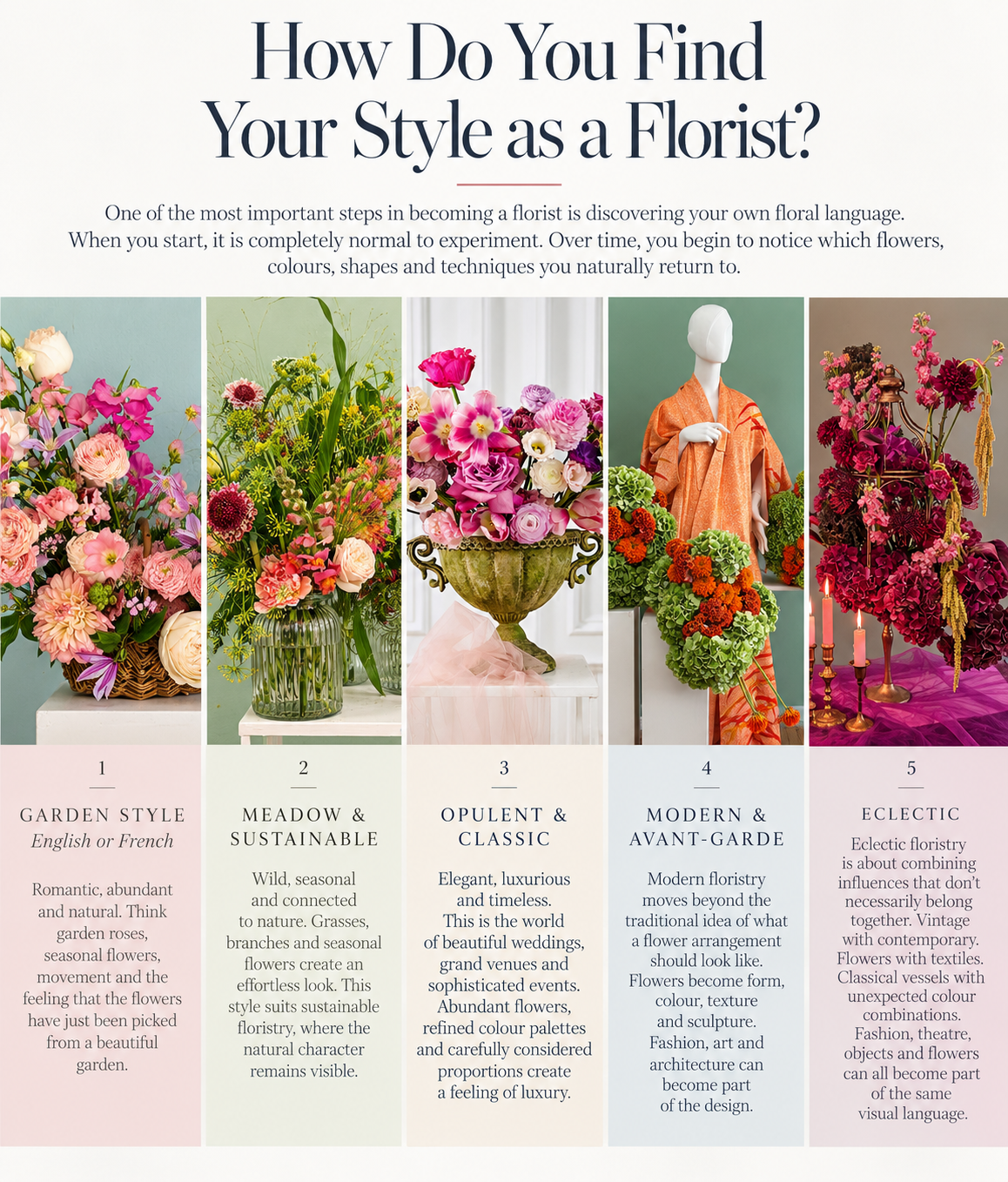
How Do You Find Your Style as a Florist?
One of the most important steps in becoming a florist is discovering your own floral language.
When you start, it is completely normal to experiment. You might love a romantic garden arrangement one day and something very modern the next. Over time, you begin to notice which flowers, colours, shapes and techniques you naturally return to.
There are five styles I encourage aspiring florists to explore.
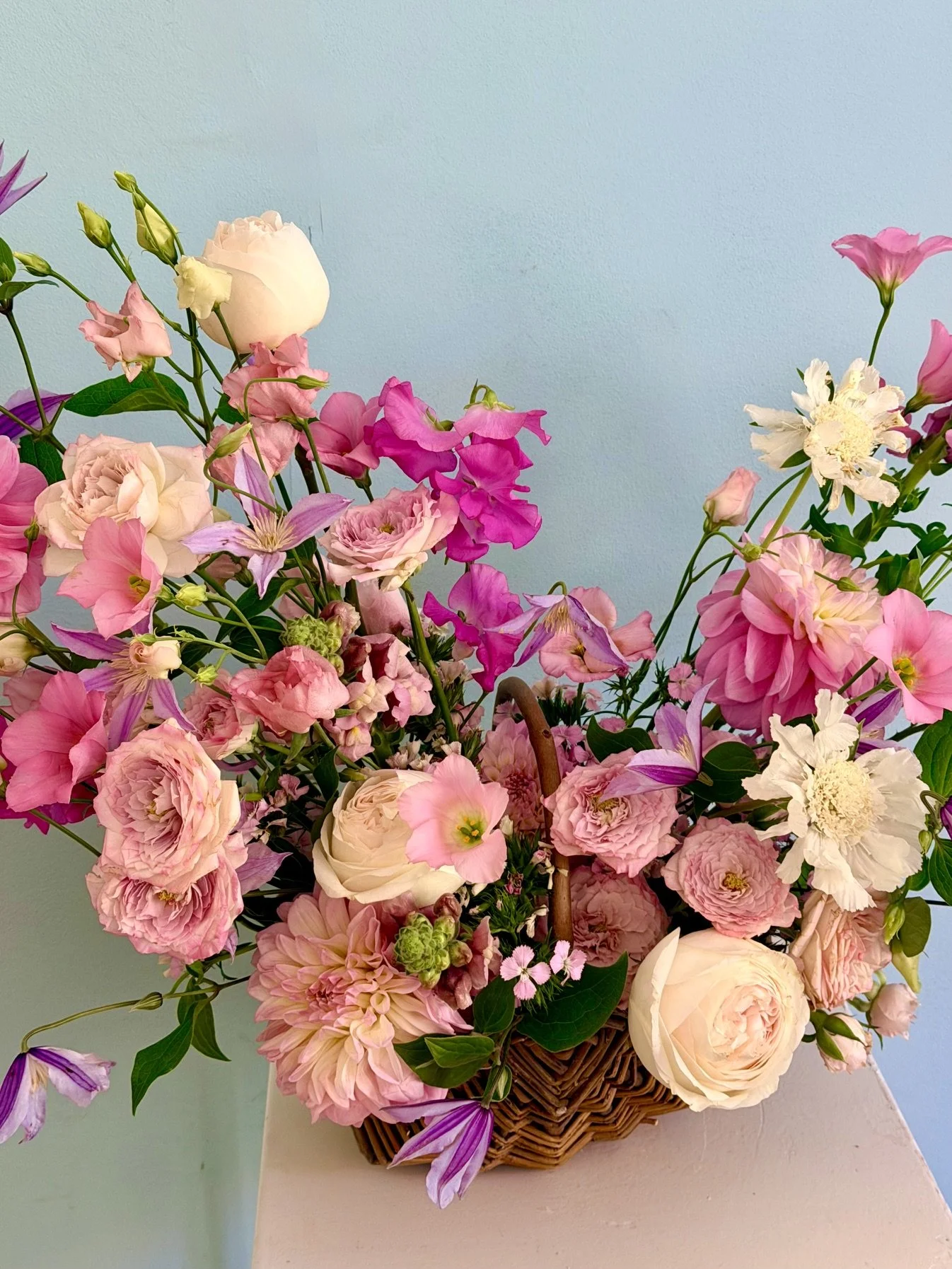
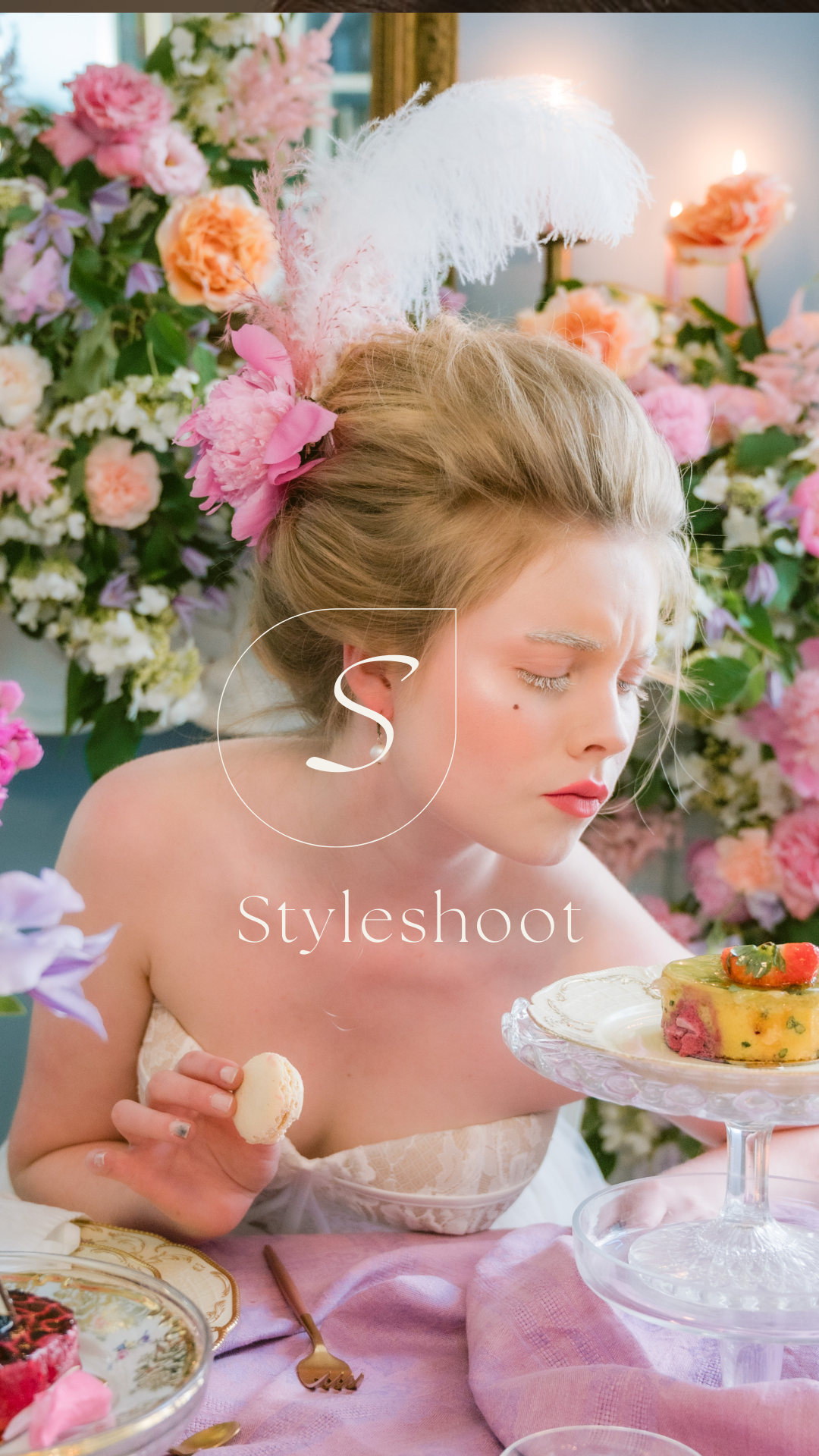
1. Garden Style – English or French
Romantic, abundant and natural. Think garden roses, seasonal flowers, movement and the feeling that the flowers have just been picked from a beautiful garden.
2. Meadow & Sustainable
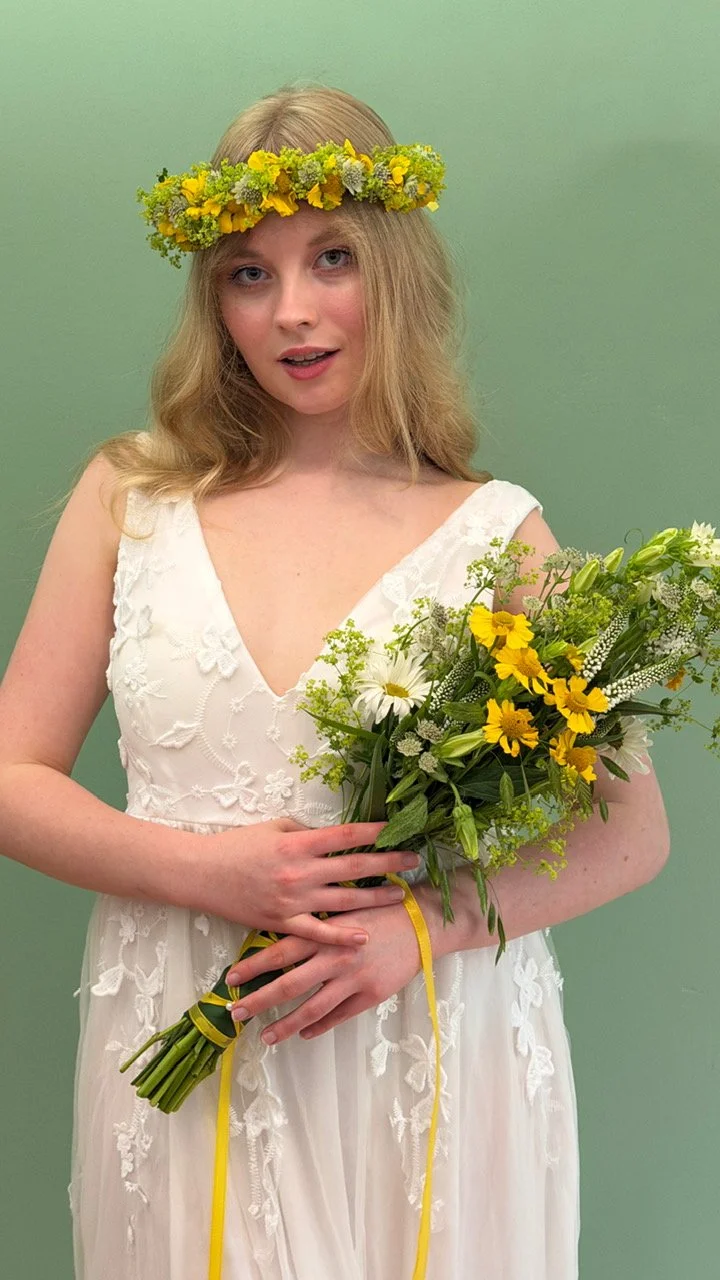
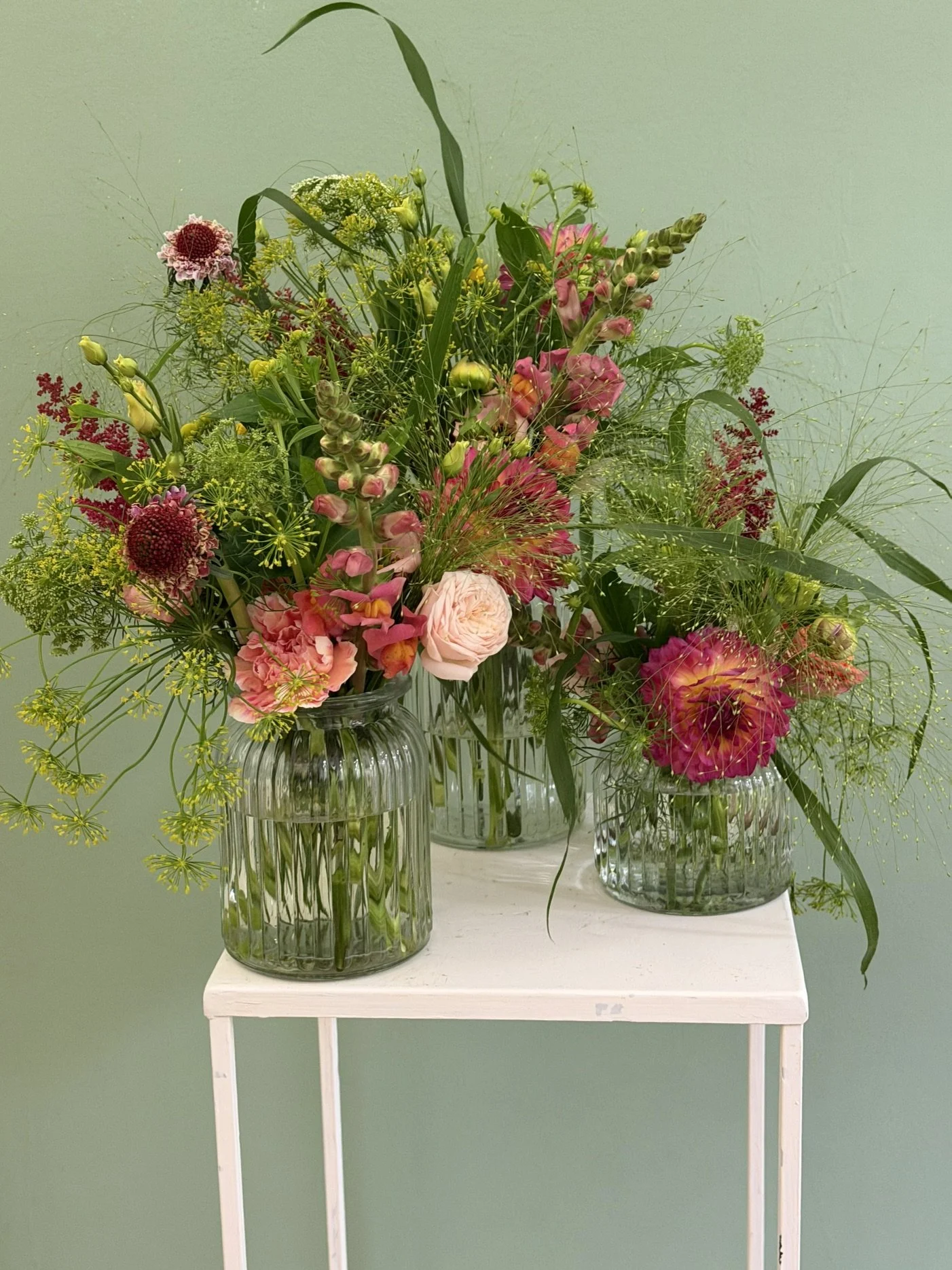
Wild, seasonal and connected to nature. Grasses, branches and seasonal flowers create an effortless look. This style suits sustainable floristry, where the natural’ natural character remains visible.
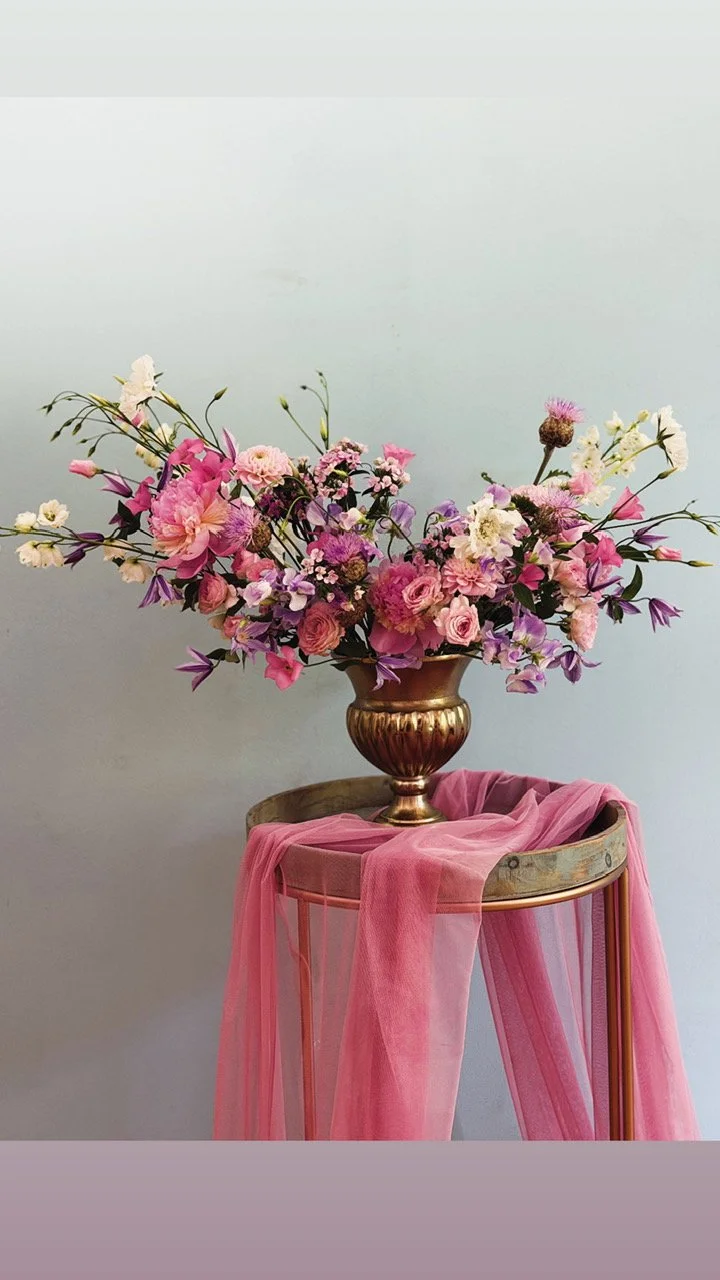
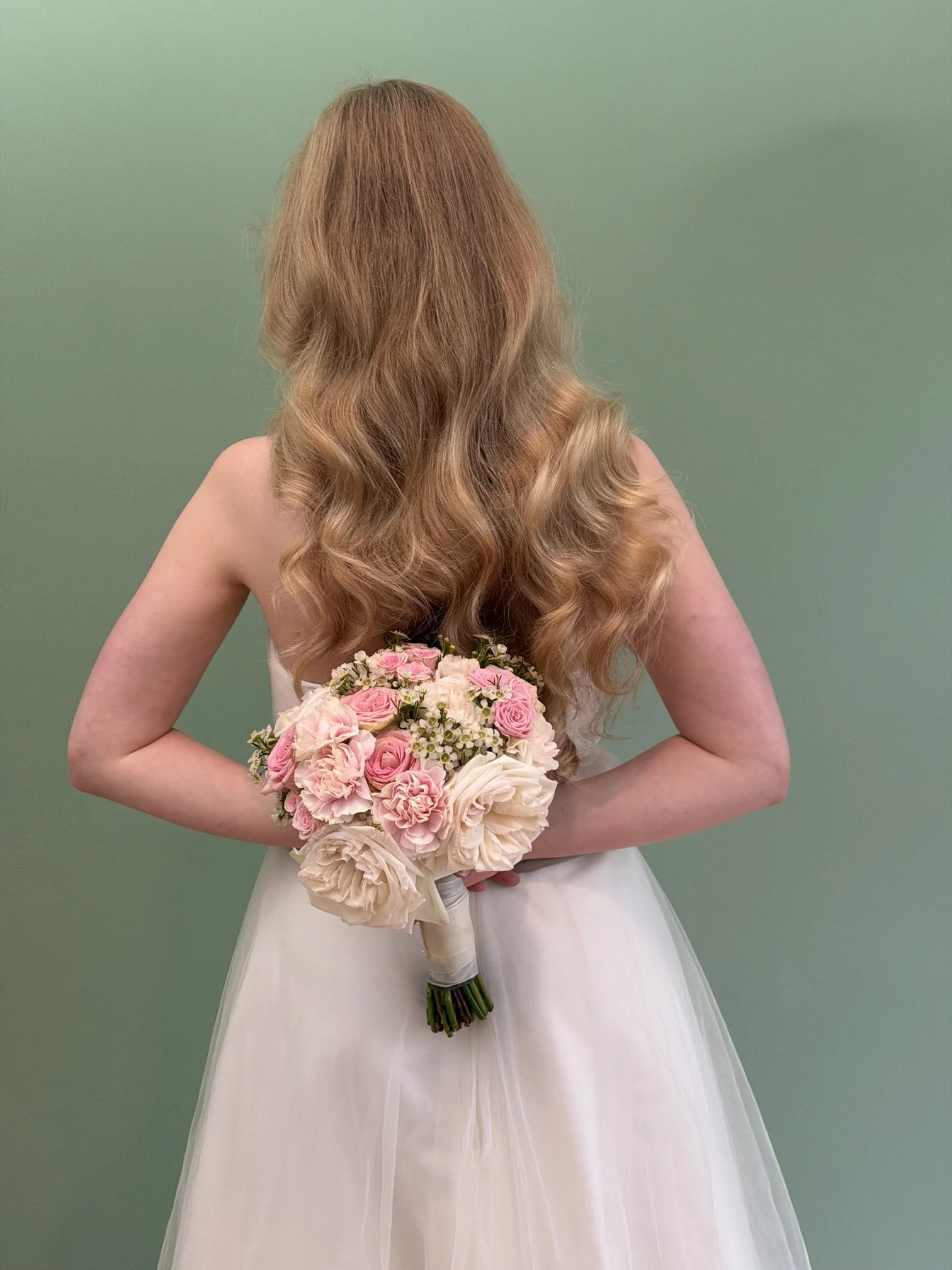
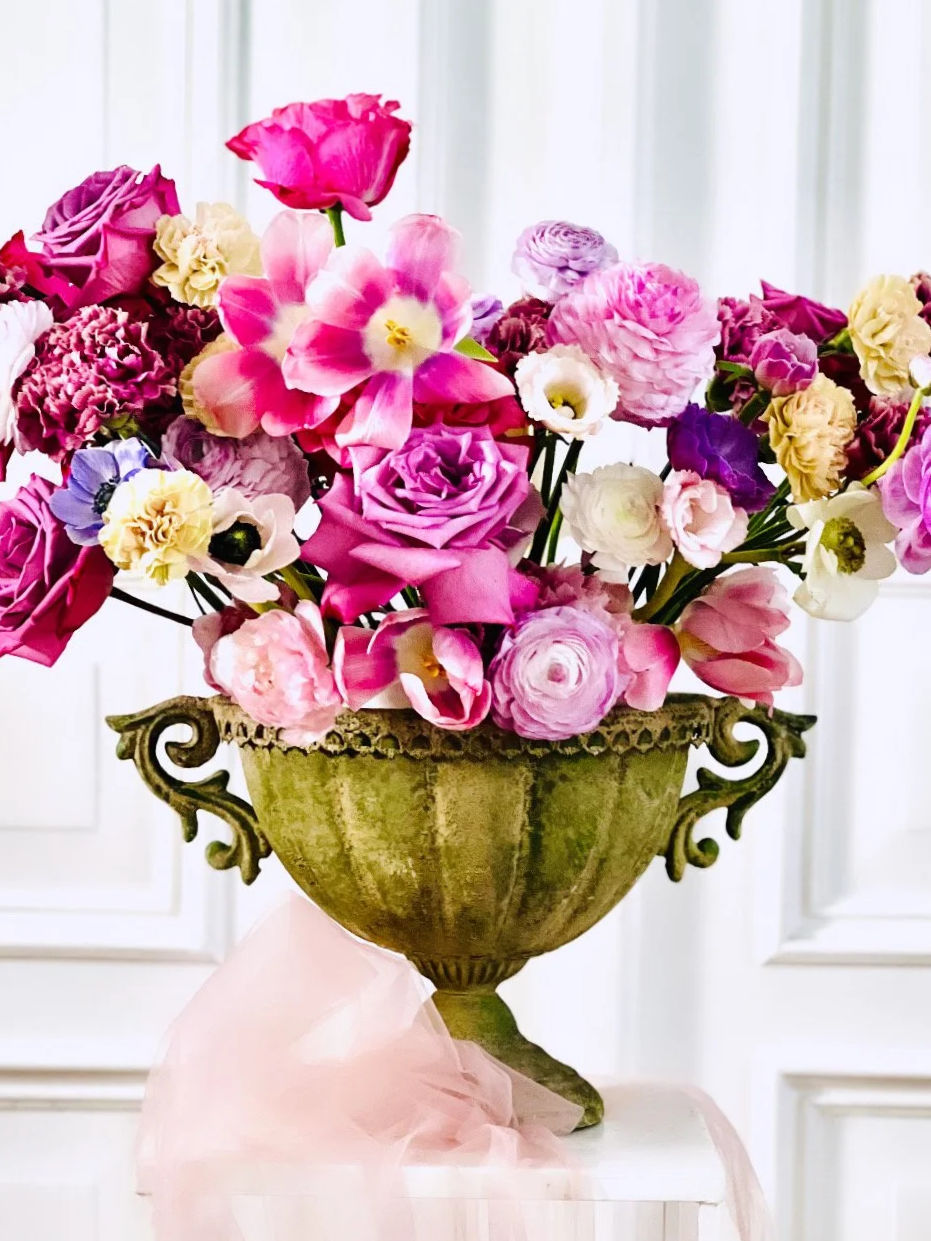
3. Opulent & Classic
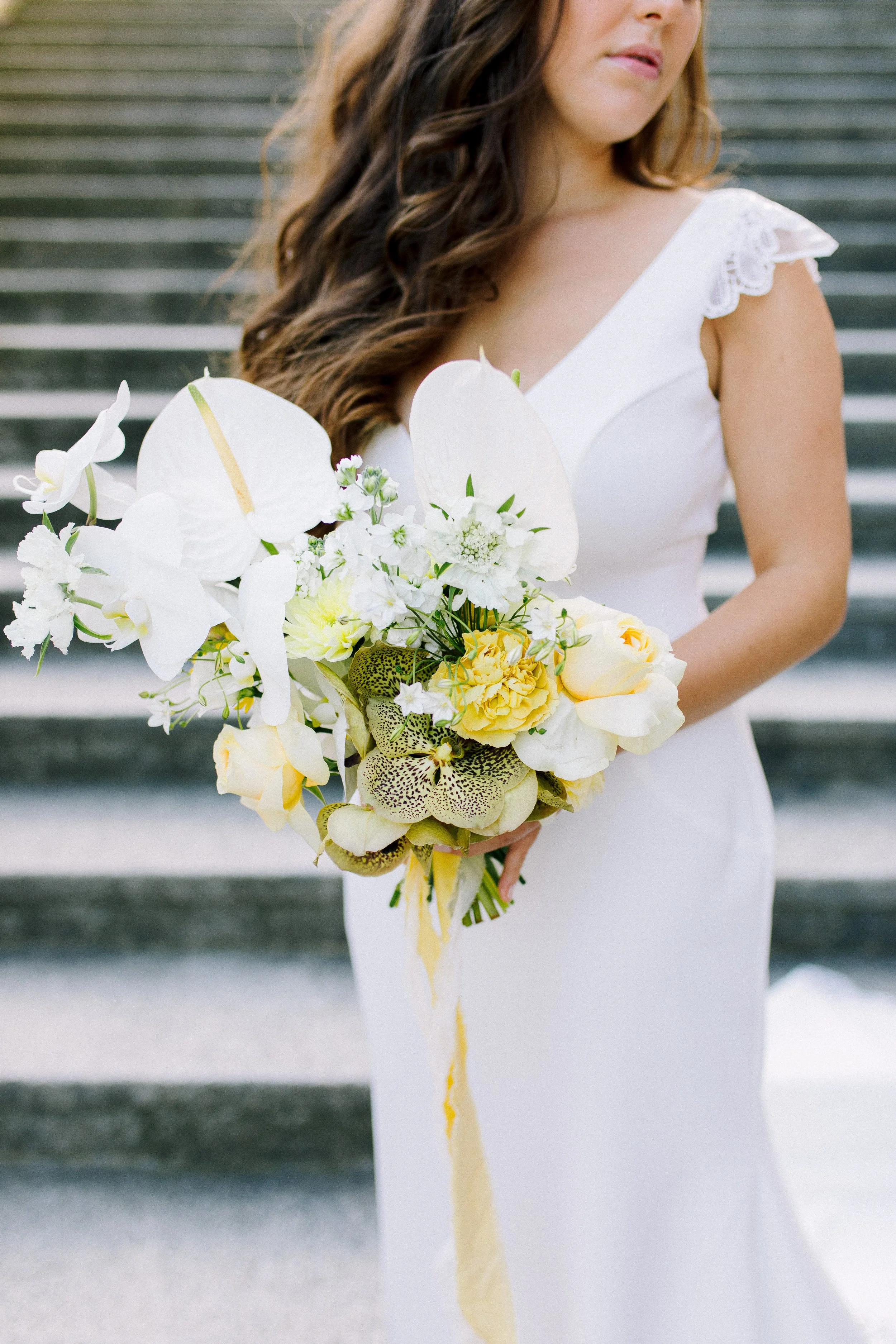
Elegant, luxurious and timeless.
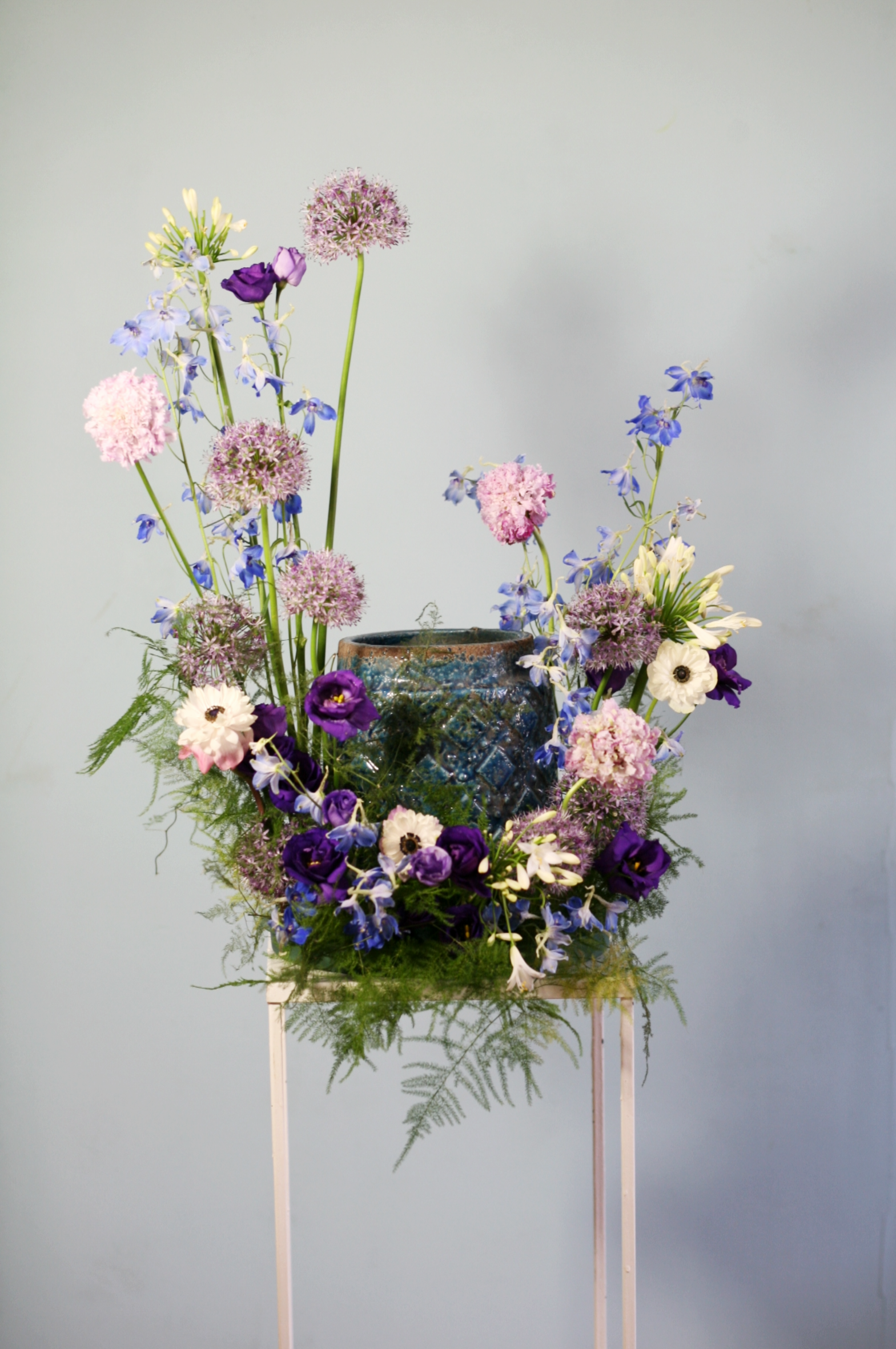
This is the world of beautiful weddings, grand venues and sophisticated events. Abundant flowers, refined colour palettes and carefully considered proportions create a feeling of luxury.
4. Modern & Avant-Garde
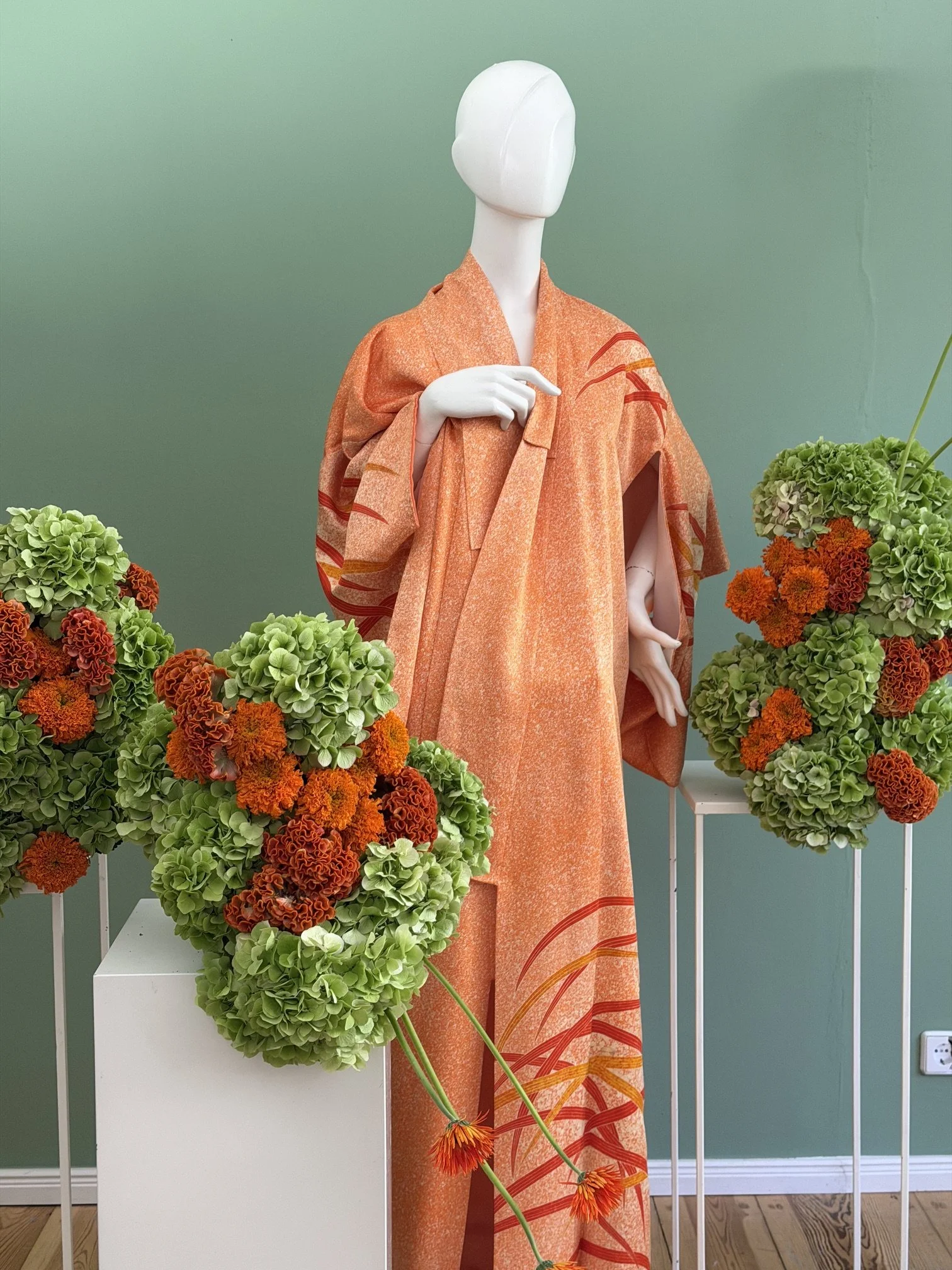
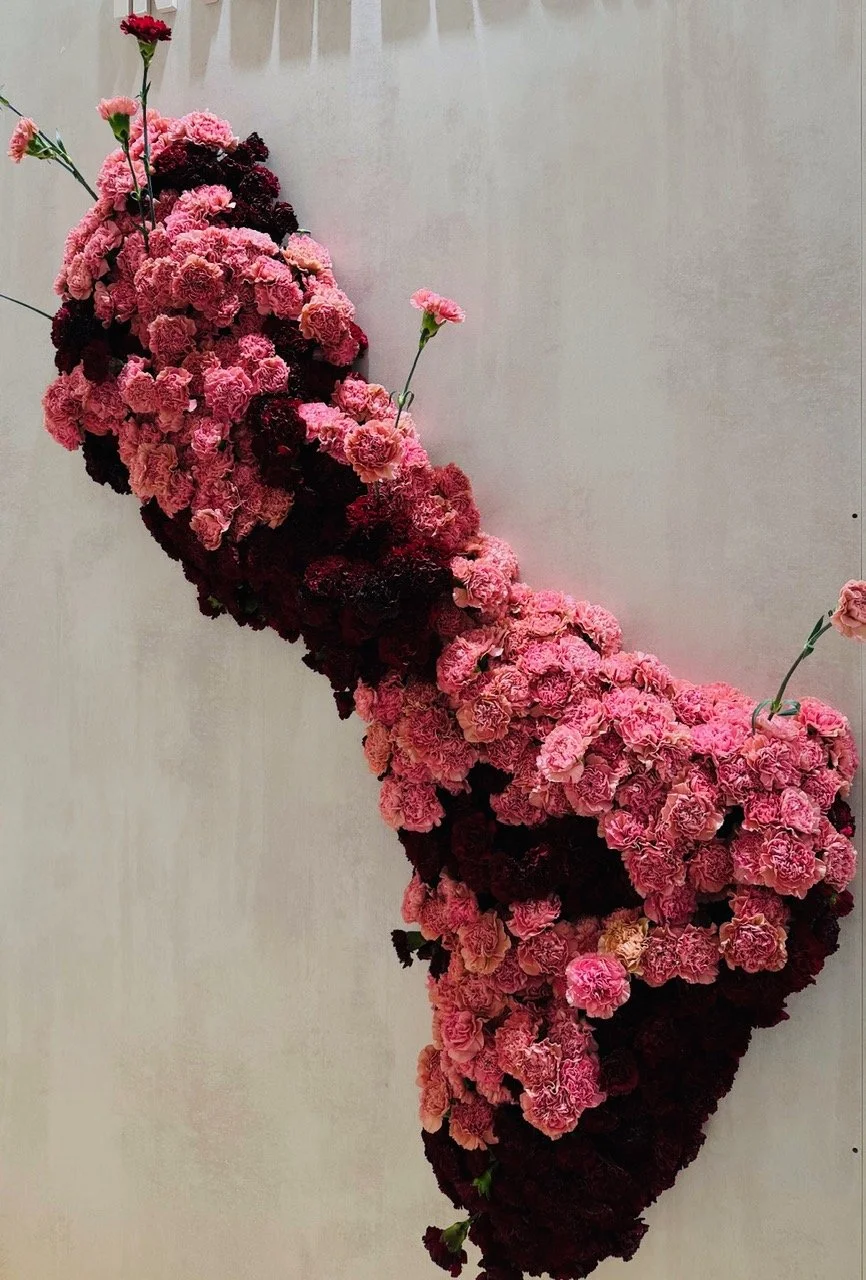
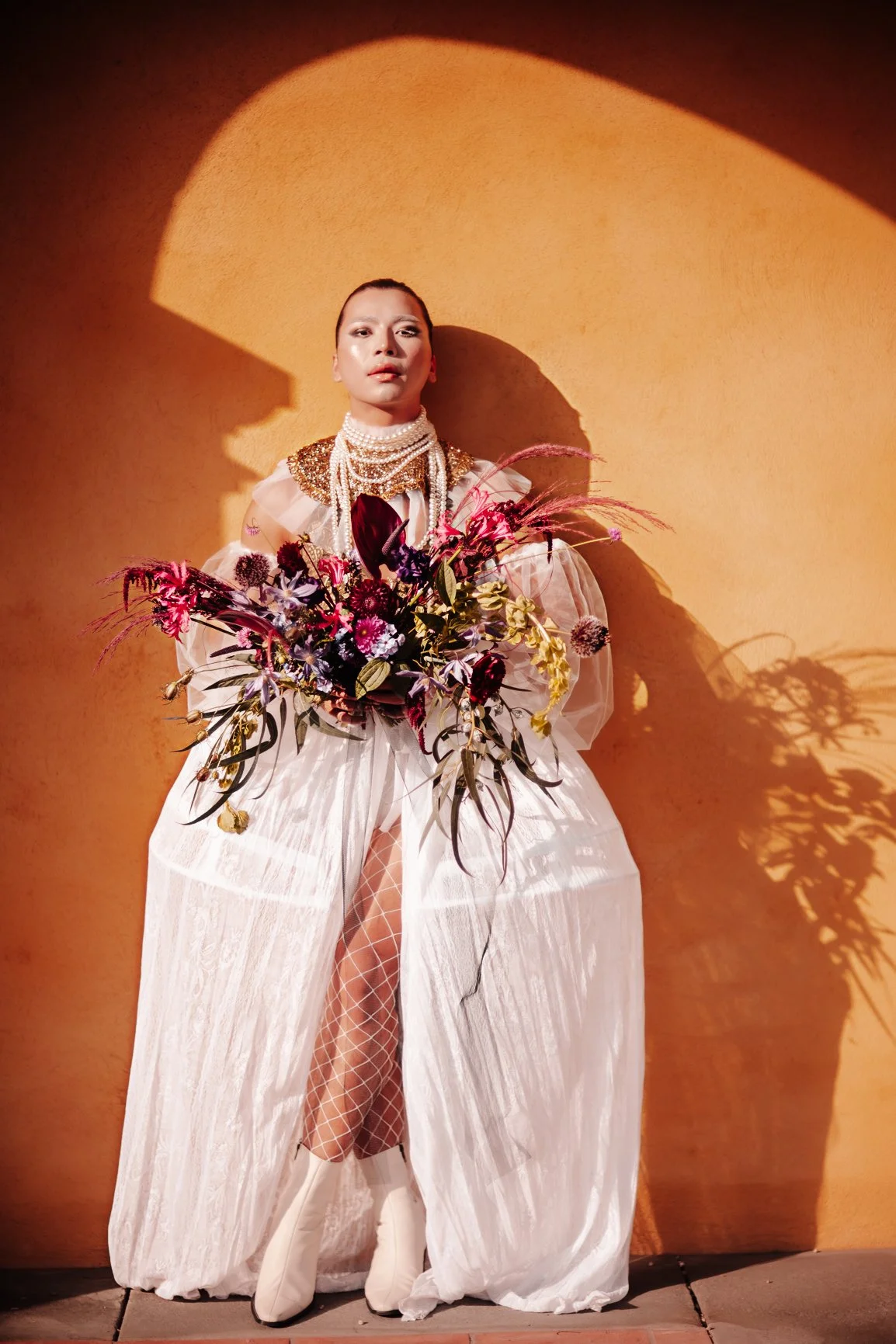
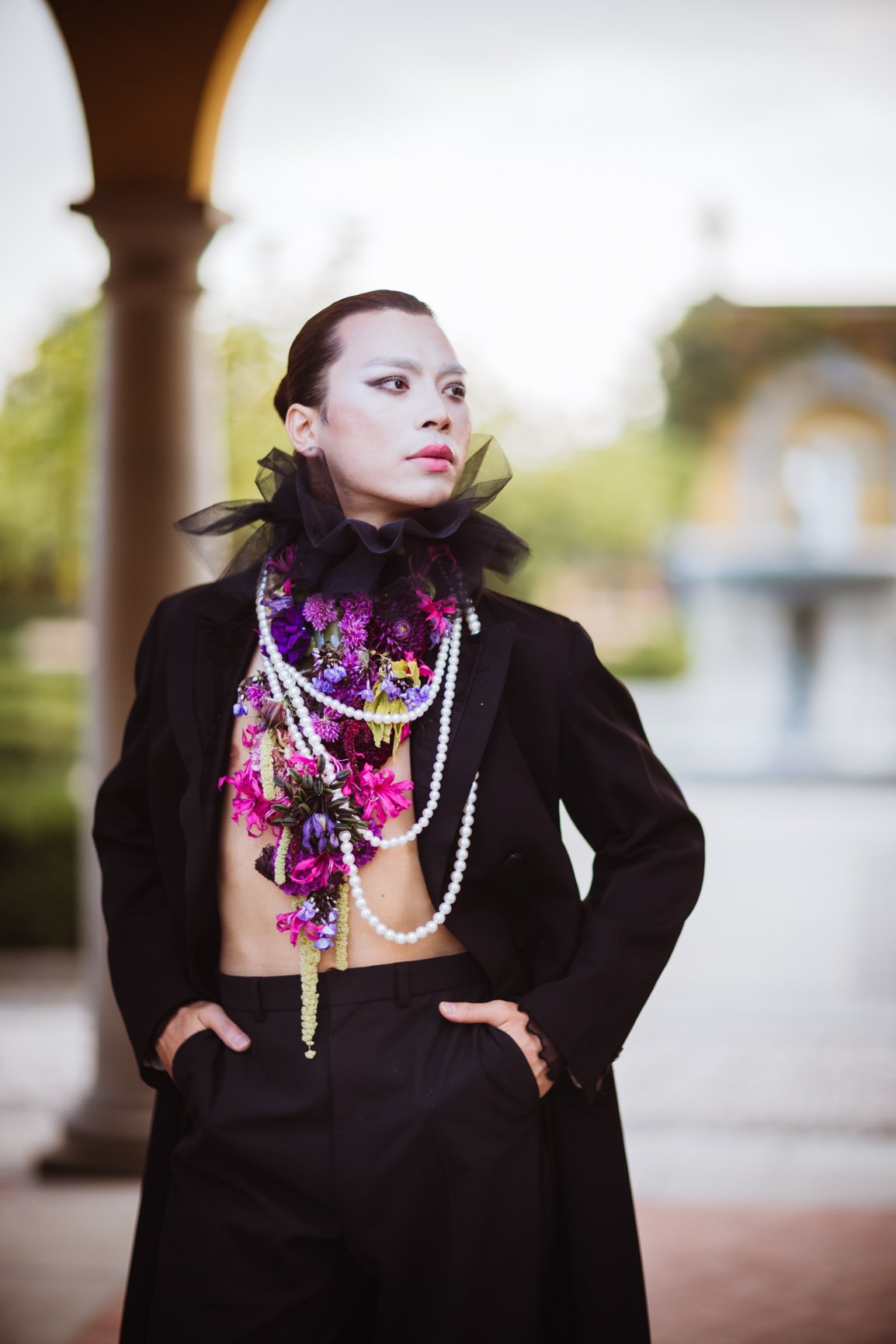
Modern floristry moves beyond the traditional idea of what a flower arrangement should look like.
Flowers become form, colour, texture and sculpture. Fashion, art and architecture can become part of the design.
5. Eclectic
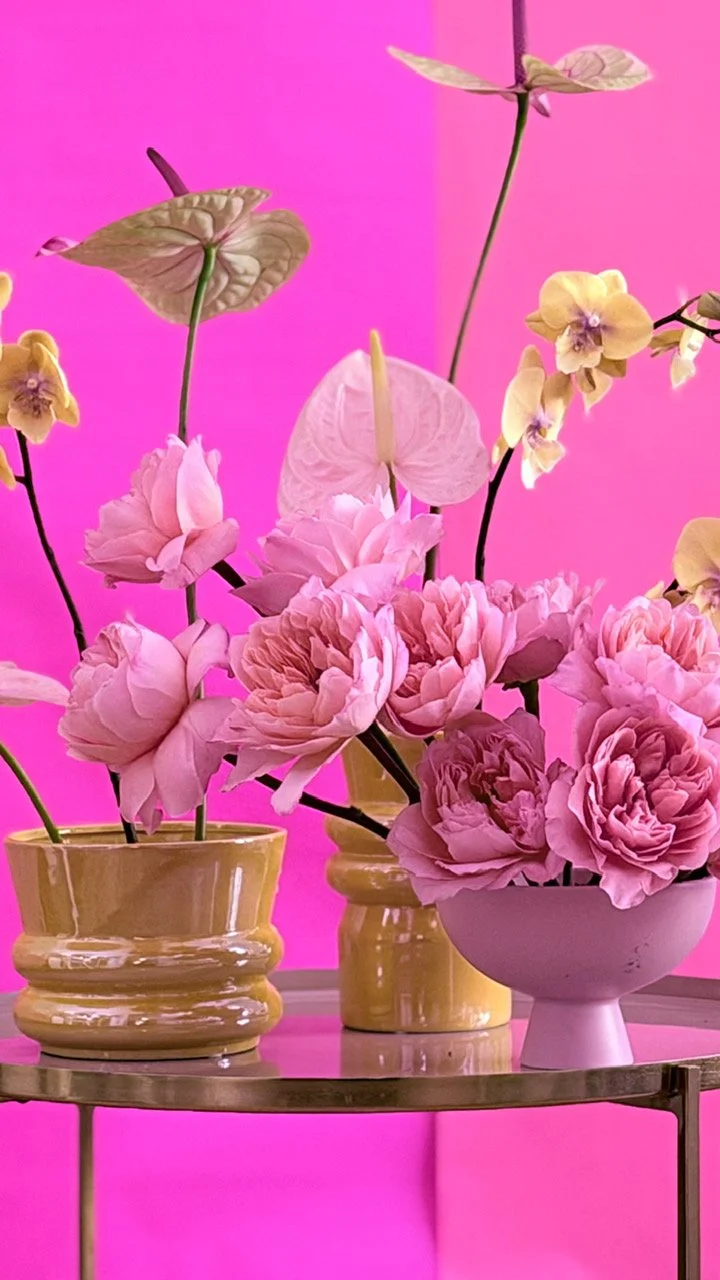
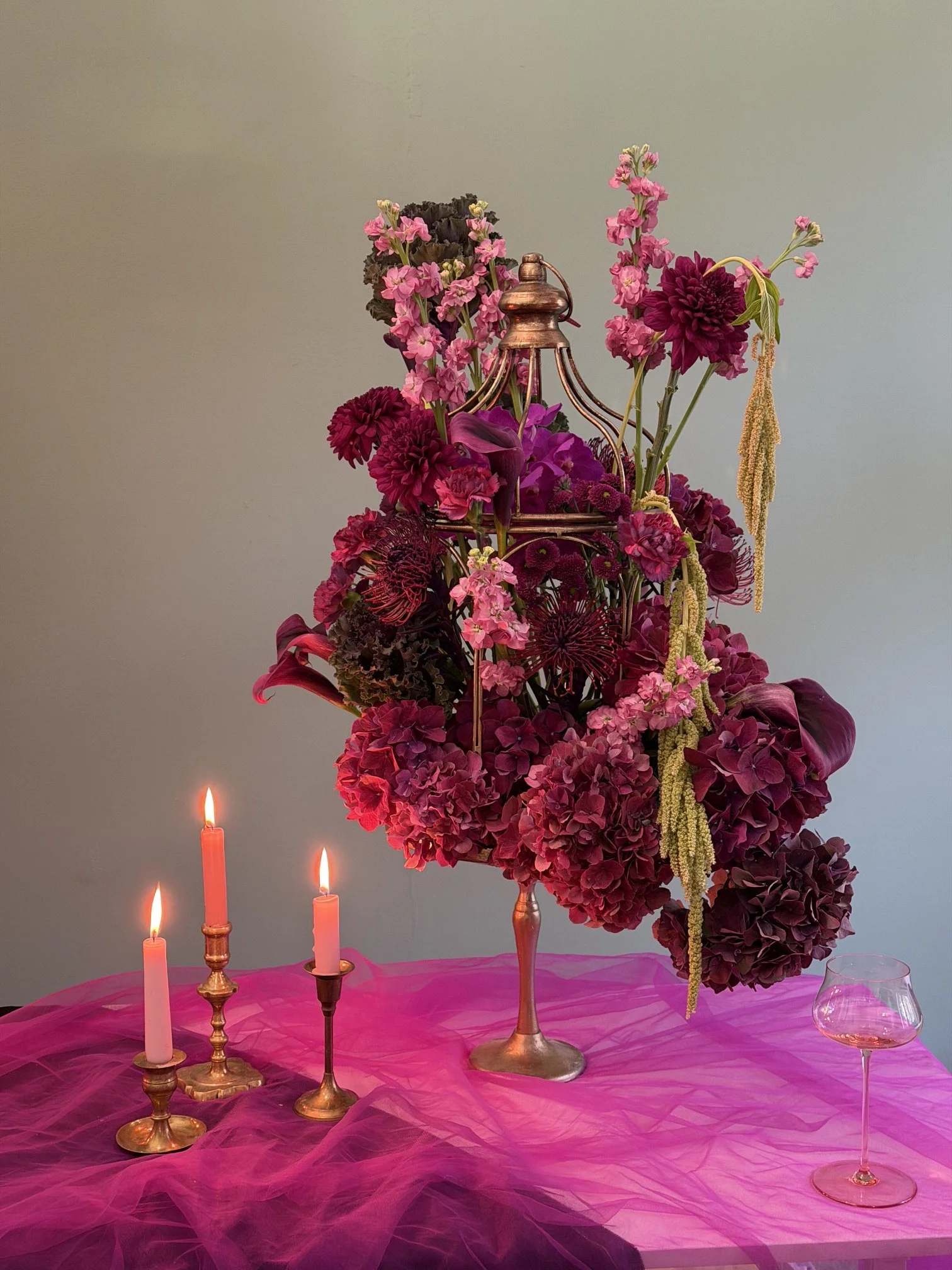
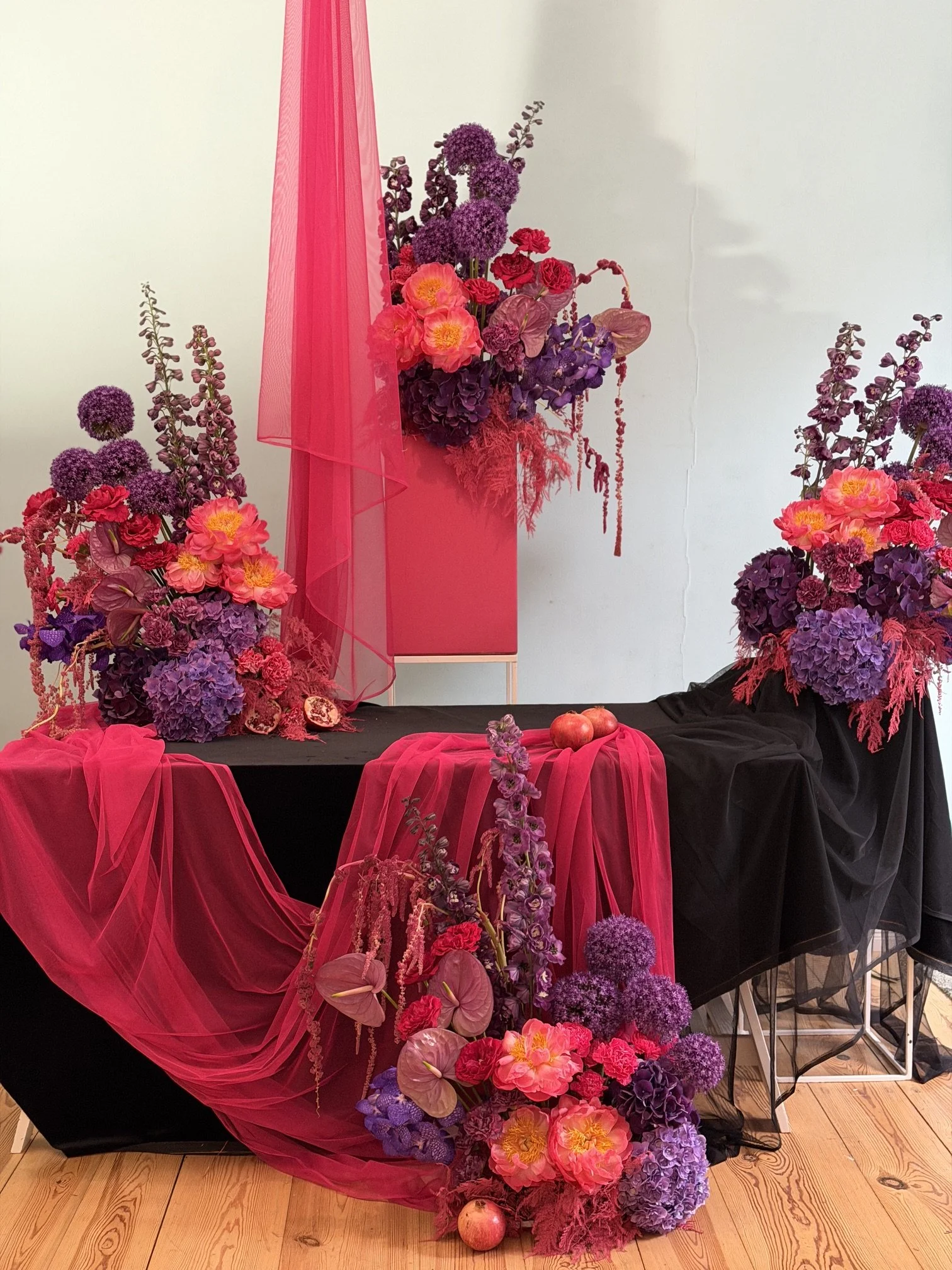
Eclectic floristry is about combining influences that don't necessarily belong together.
Vintage with contemporary. Flowers with textiles. Classical vessels with unexpected colour combinations. Fashion, theatre, objects and flowers can all become part of the same visual language.
So, Where Is Your Style?
You don't necessarily have to choose one.
In fact, your personal style may sit somewhere between two or three of these categories.
Try creating the same brief in different ways. Change the flowers, the colour palette, the proportions and the mechanics. Then put the photographs next to each other and ask yourself:
Which one feels most like me?
Your style isn't something you have to invent.
It is something you discover through experimentation, education and experience.
And once you understand your own floral language, you can begin to build something much bigger around it: a recognisable identity, a strong brand and ultimately a floristry career that is truly your own.
All photographs: Julia Gauld / Berlin Flower School.