Dido Elizabeth Belle, Beauty & Visibility
I was completely mesmerized when I first watched Belle and discovered the story of Dido Elizabeth Belle. What moved me most was not only her beauty or elegance, but the profound historical significance of her existence within 18th century British aristocratic society.
Born in 1761 to an enslaved African woman and a British naval officer, Dido Belle occupied a deeply complex and extraordinary position in history. Raised at Kenwood House by her great-uncle Lord Mansfield — one of the most influential judges in Britain — she lived between worlds: both inside aristocratic privilege and outside the rigid structures of racial and social acceptance of her time.
Historically, Dido Belle’s significance reaches far beyond portraiture and aristocratic curiosity. Her great-uncle, Lord Mansfield, served as Lord Chief Justice during one of the most pivotal legal moments in British history: the Somerset v Stewart case of 1772, which challenged the legality of slavery on English soil. Mansfield ruled that an enslaved man, James Somerset, could not be forcibly removed from England and sold back into slavery — a landmark decision that became one of the first major legal steps toward the abolitionist movement in Britain. While historians cannot definitively prove that Dido directly influenced Mansfield’s judgment, many scholars and contemporaries believed that raising a mixed-race Black woman within his own household profoundly shaped his understanding of slavery’s moral contradictions. Living beside Dido Belle made the realities of race, humanity, and freedom impossible to remain abstract. In many ways, her existence quietly stood at the intersection of British aristocracy, law, and the beginning of social change.
What fascinates me about Dido Belle is that her very presence challenged the visual and intellectual narratives of European portraiture, femininity, and status. The famous painting of Dido Belle and Lady Elizabeth Murray remains so powerful because Dido is not depicted as secondary or invisible, as Black figures often were in European art history. She is portrayed with movement, intelligence, elegance, and agency. She looks directly into history rather than standing at its margins.
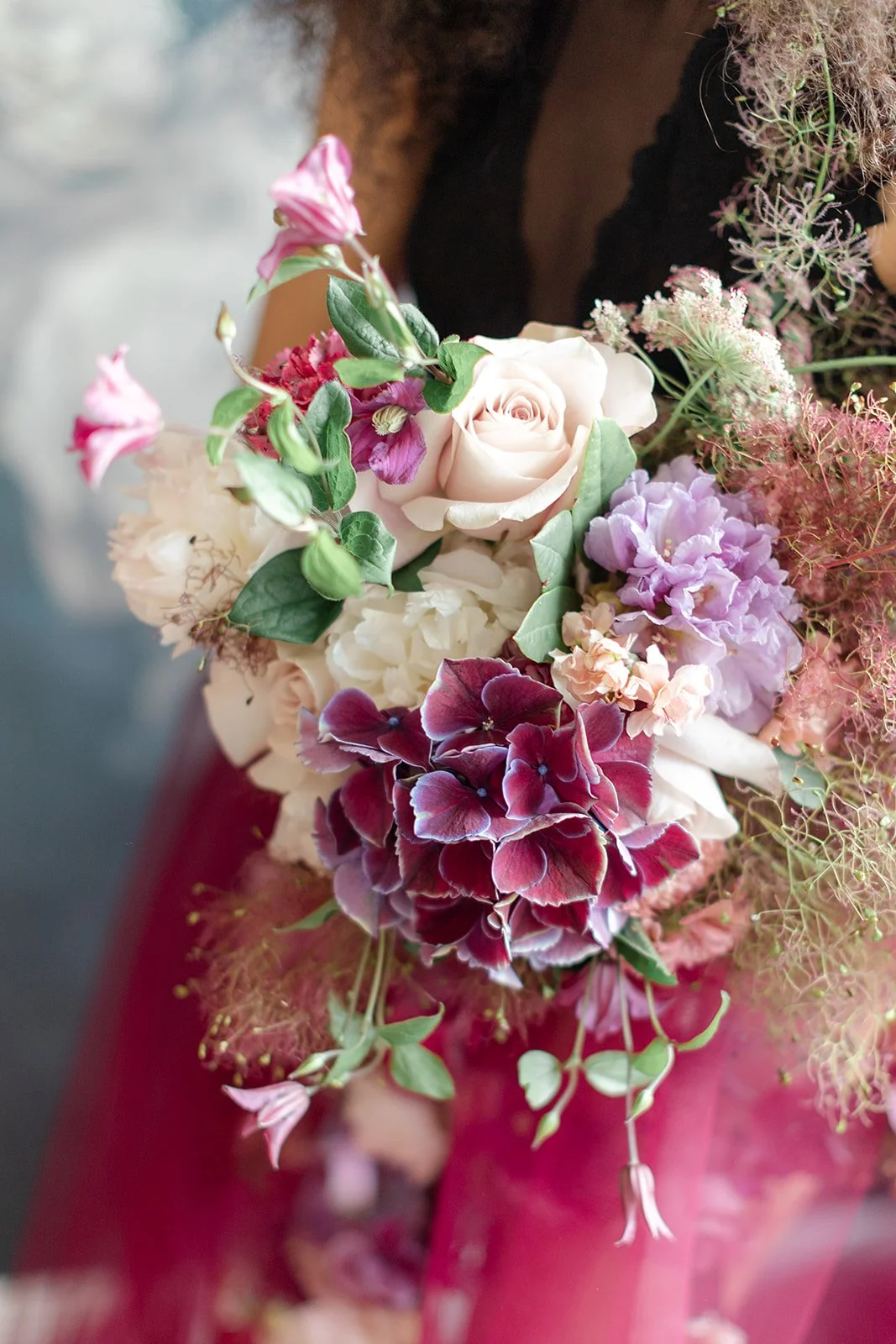
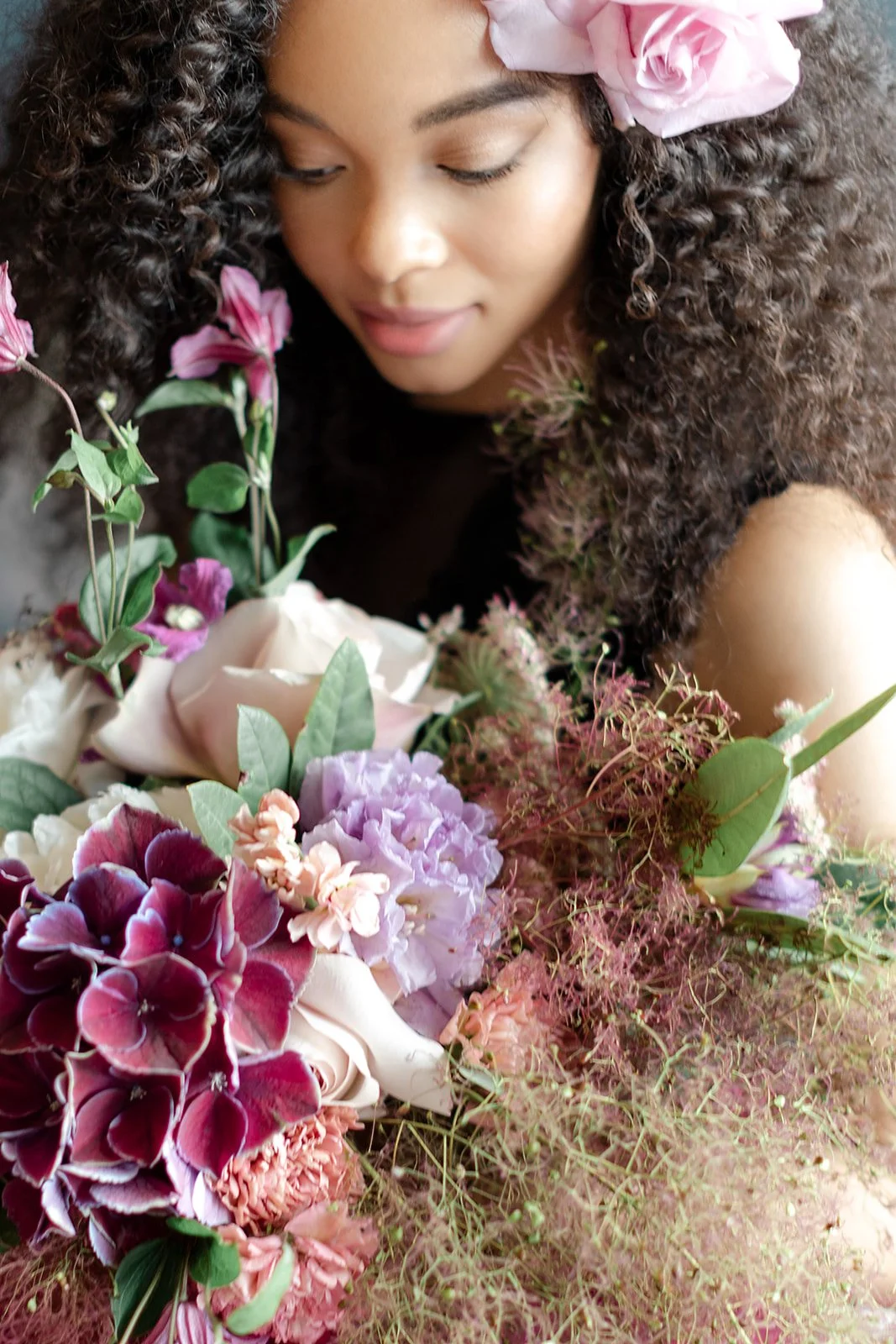
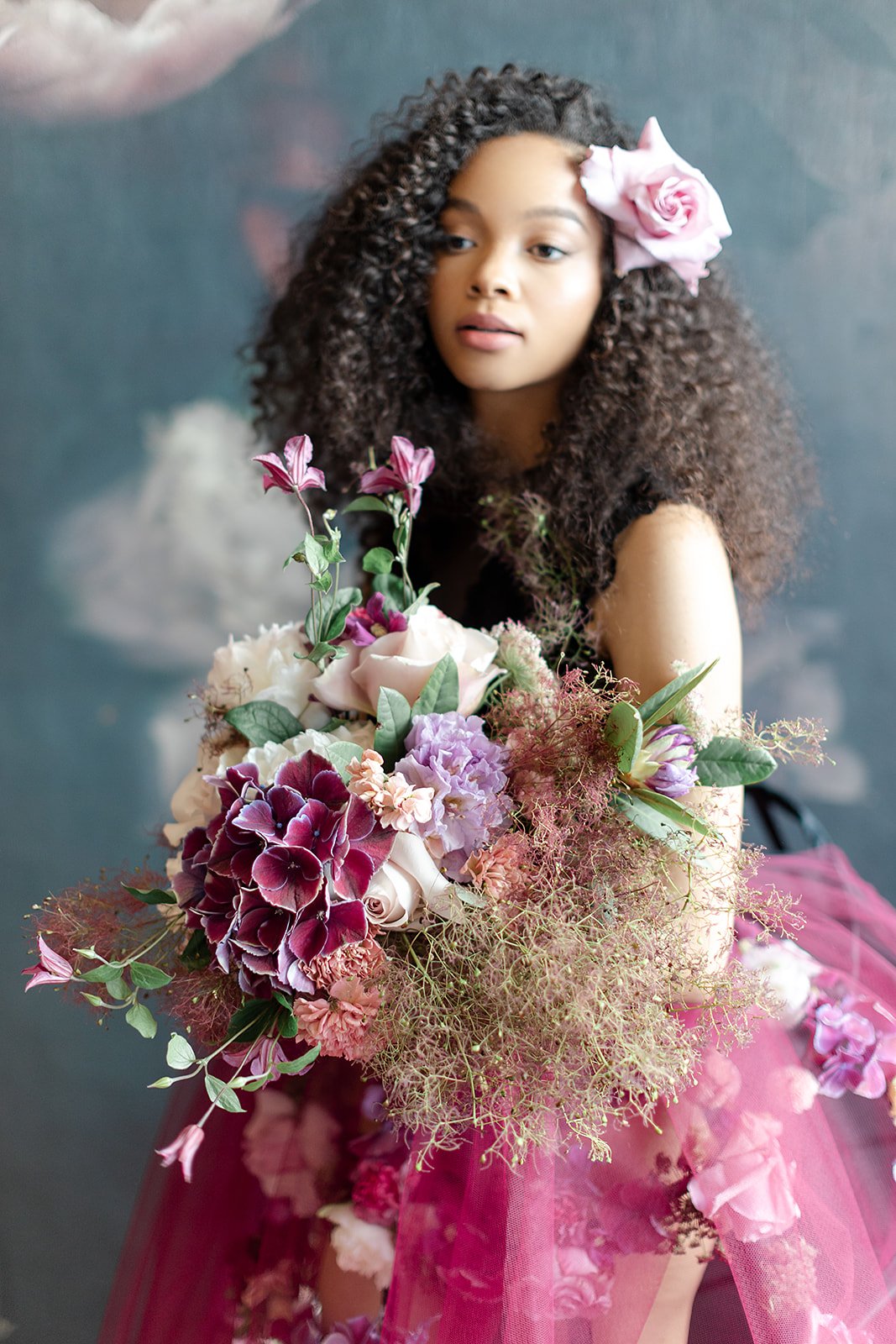
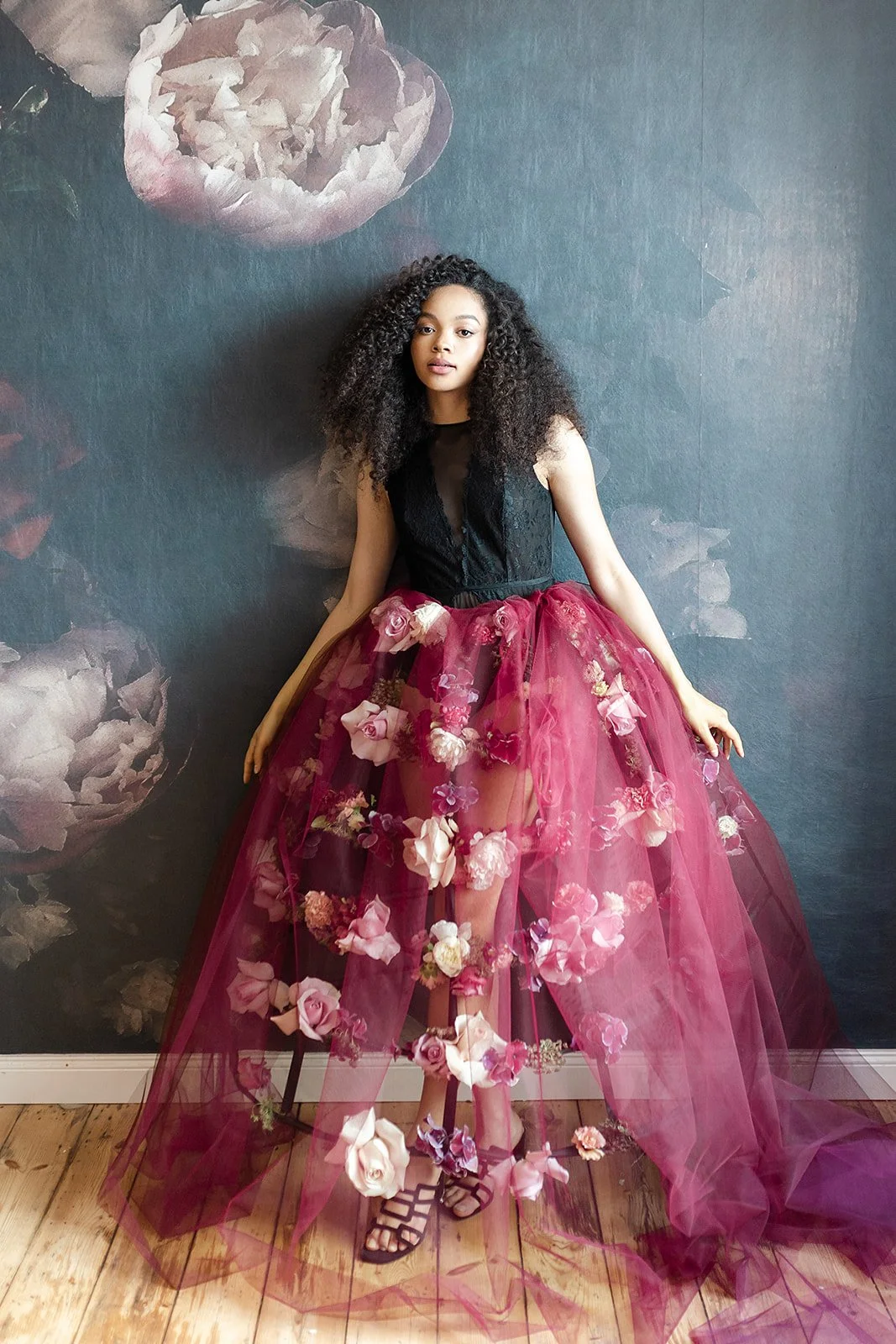
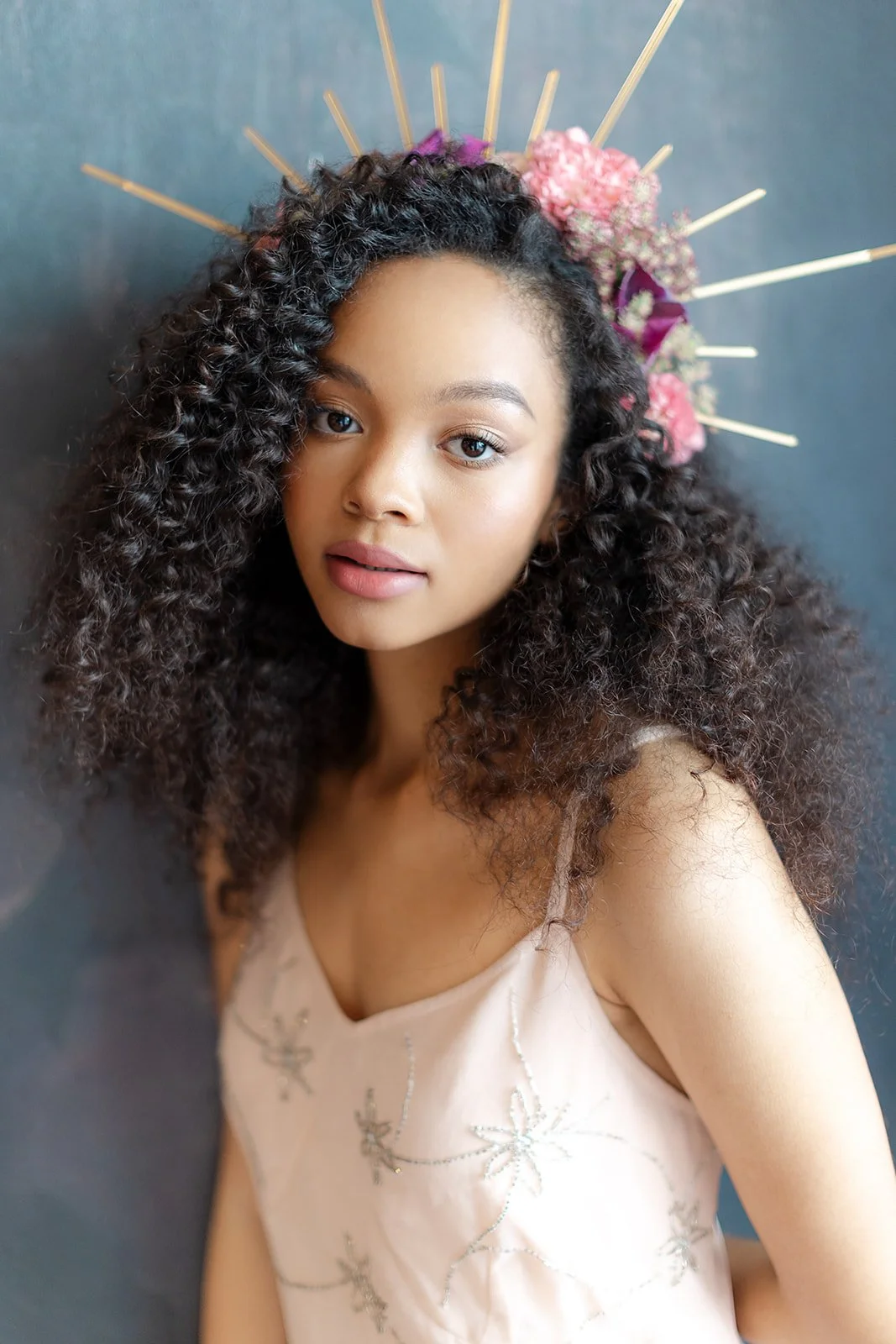
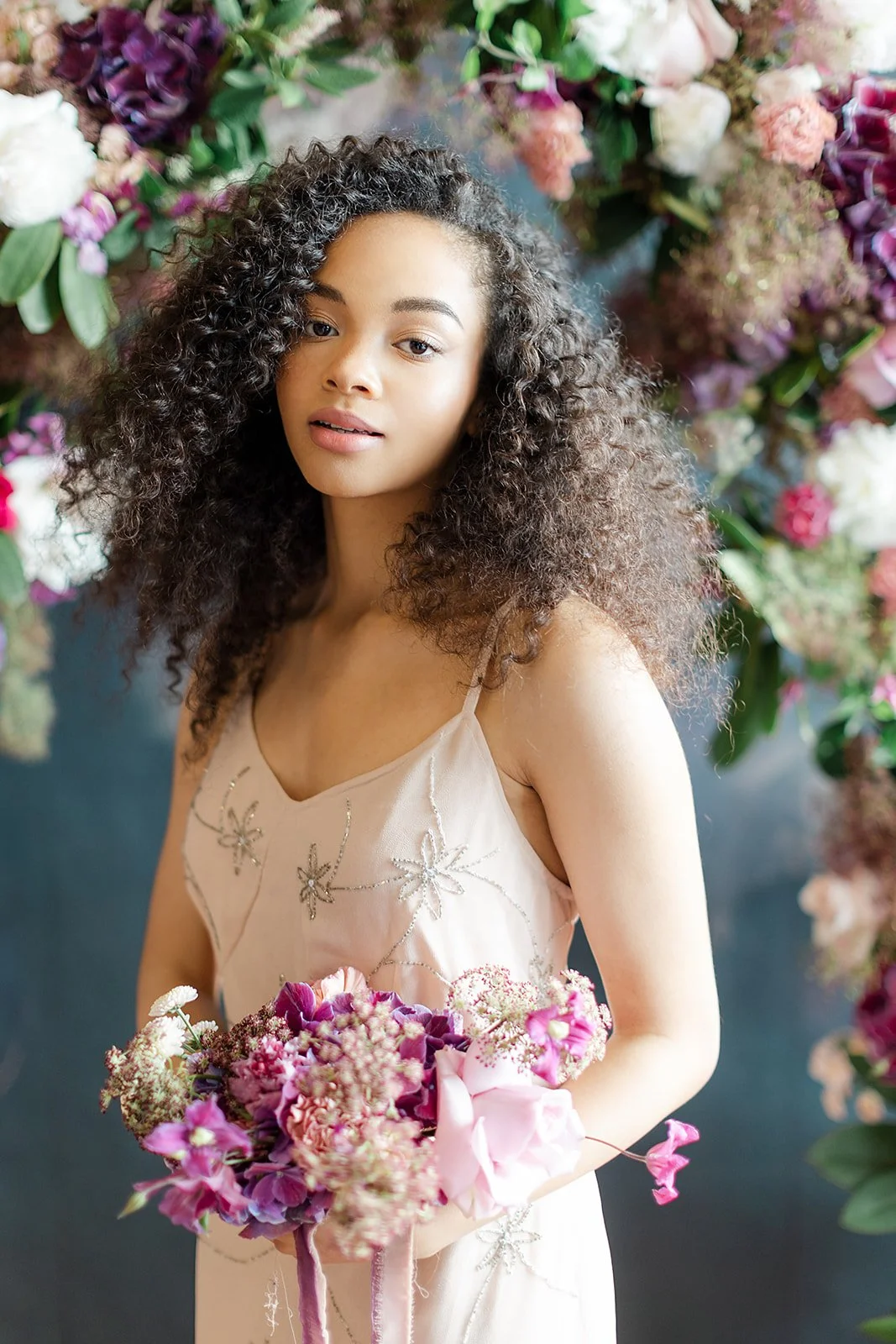
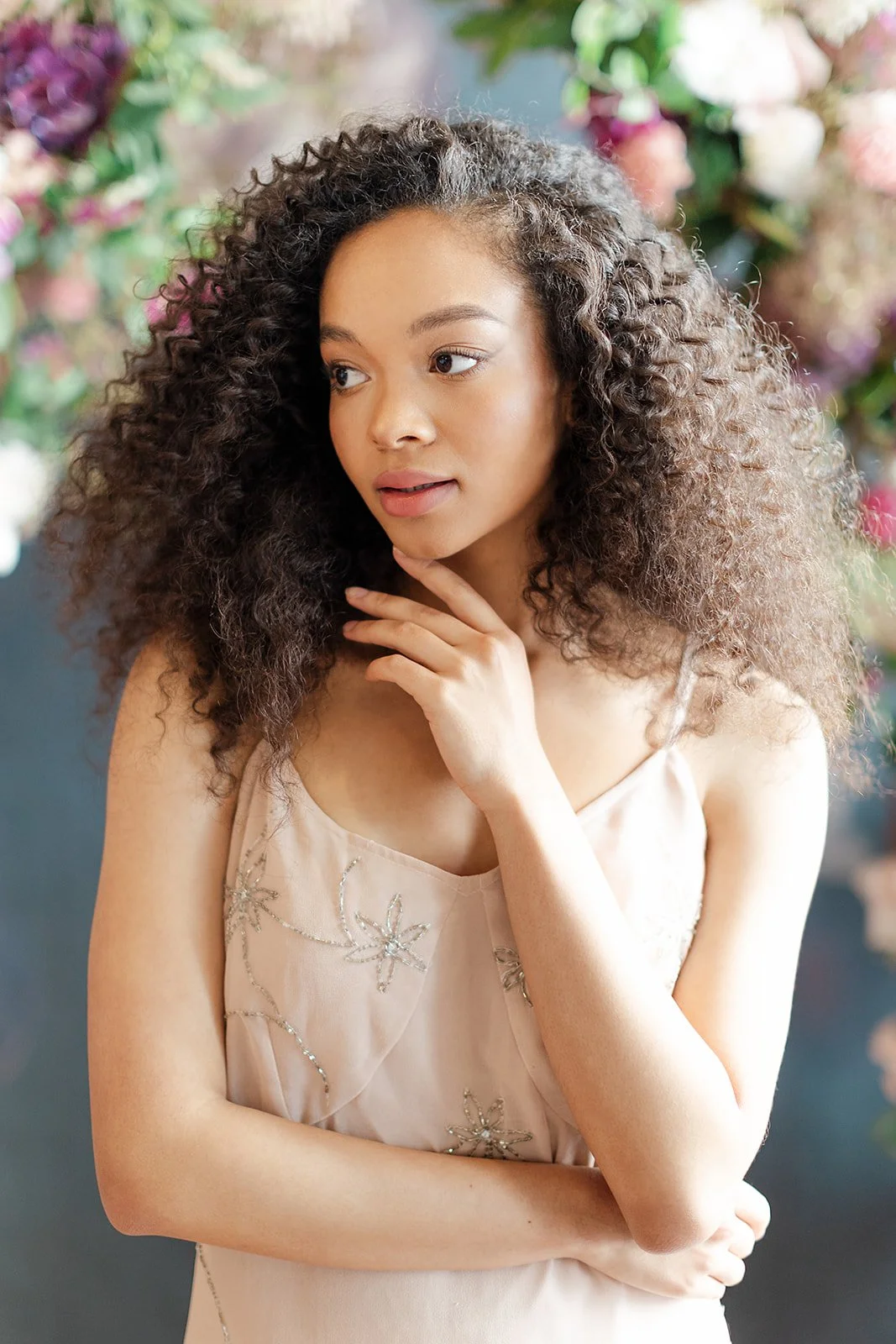
This style shoot is my homage to her significance, beauty, and quiet historical power.
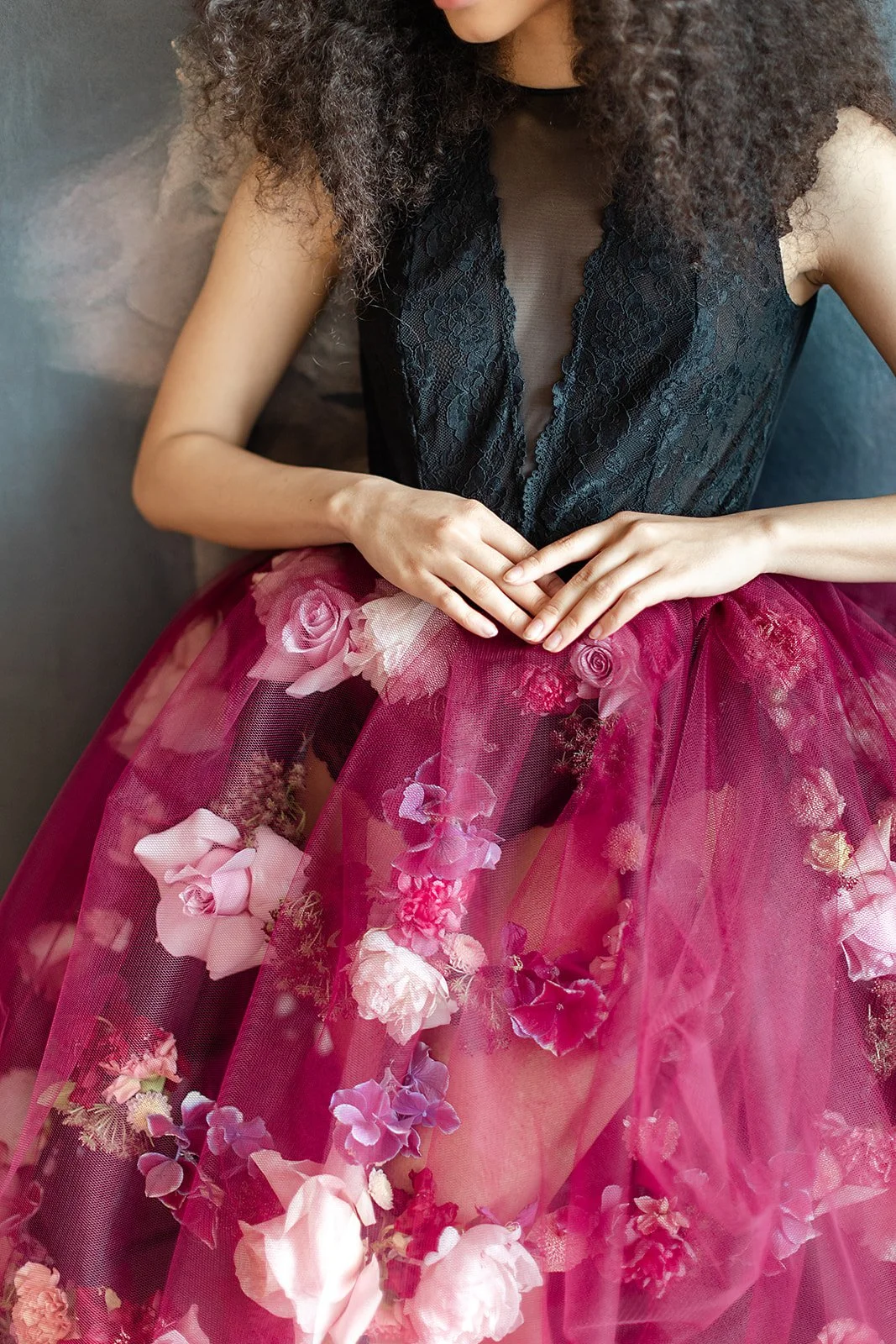
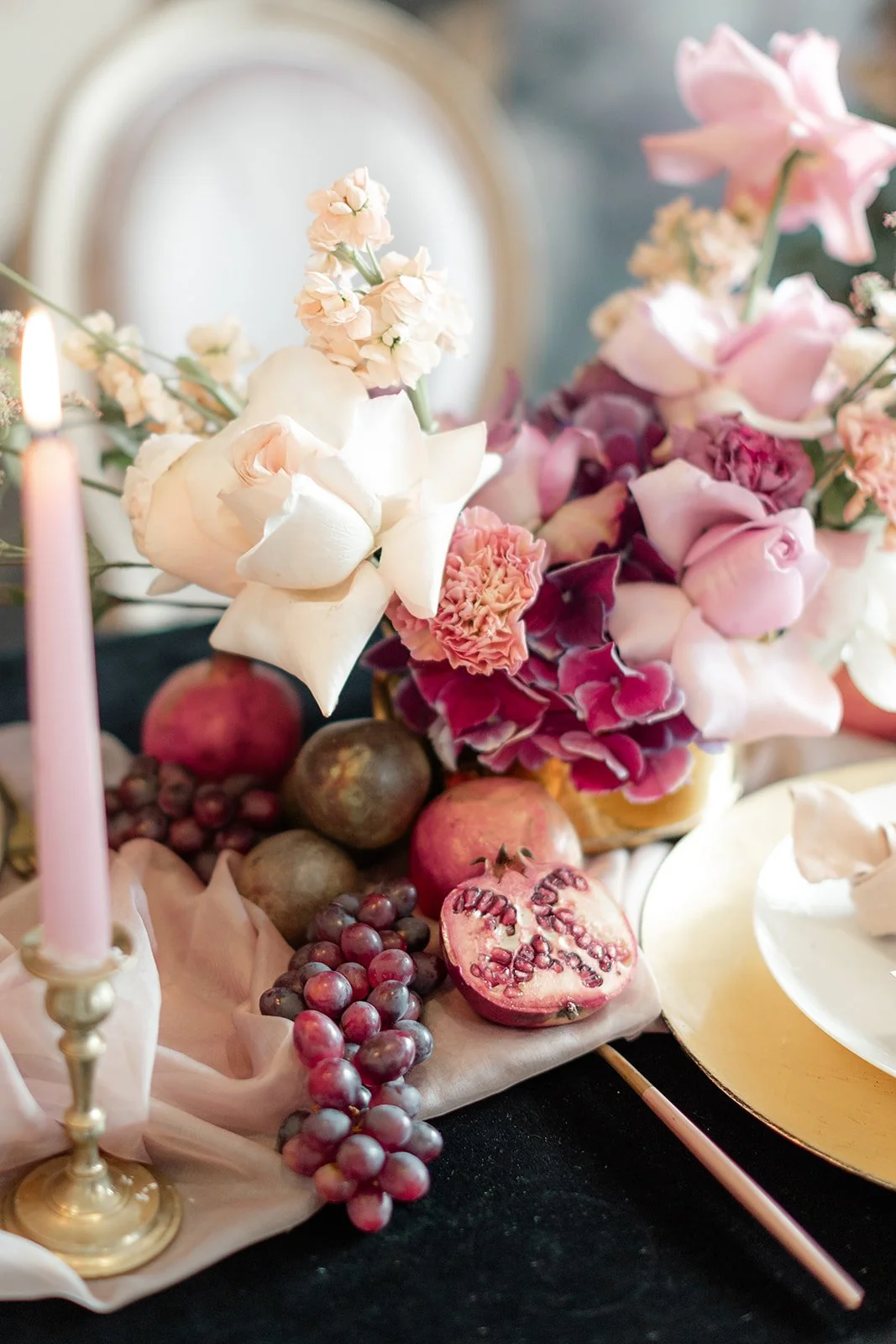
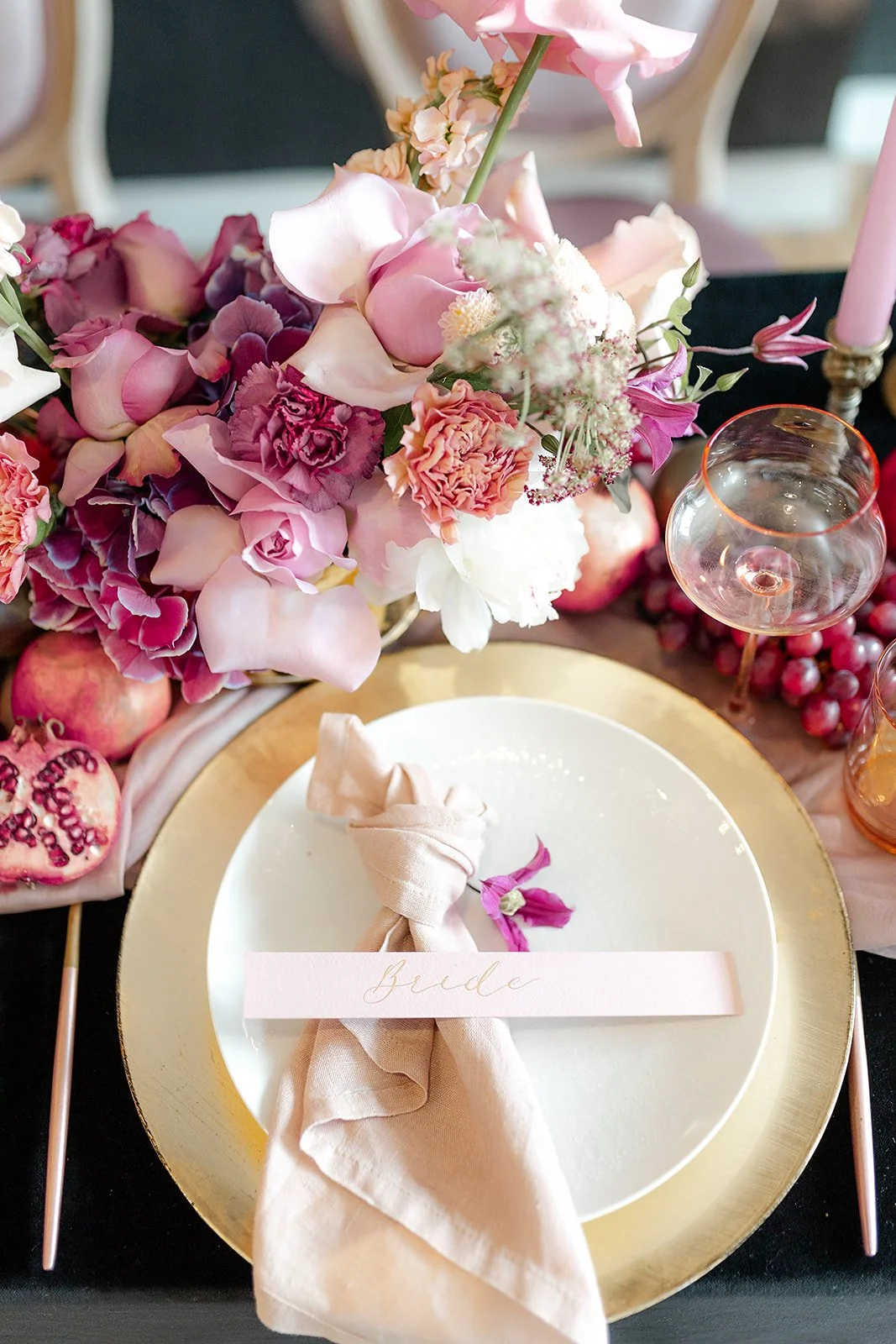
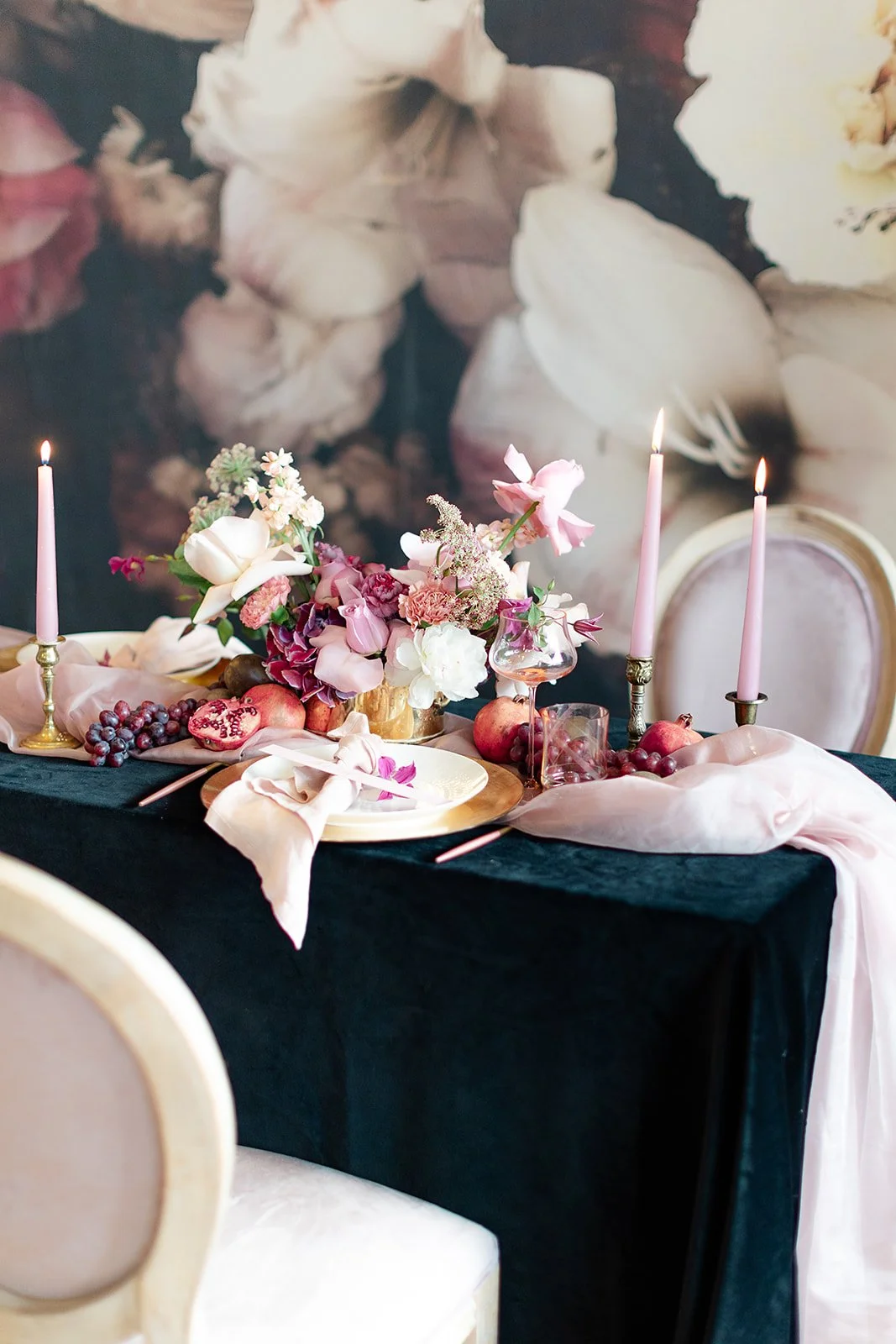
The imagery draws inspiration from the visual language of Baroque still life paintings — abundant fruit, floral compositions, rich textures, and dramatic atmosphere — where beauty always carried symbolic meaning. Alongside this, the sculptural skirt created from real flowers and fabric becomes its own living artwork: a celebration of femininity, craftsmanship, transformation, and presence.
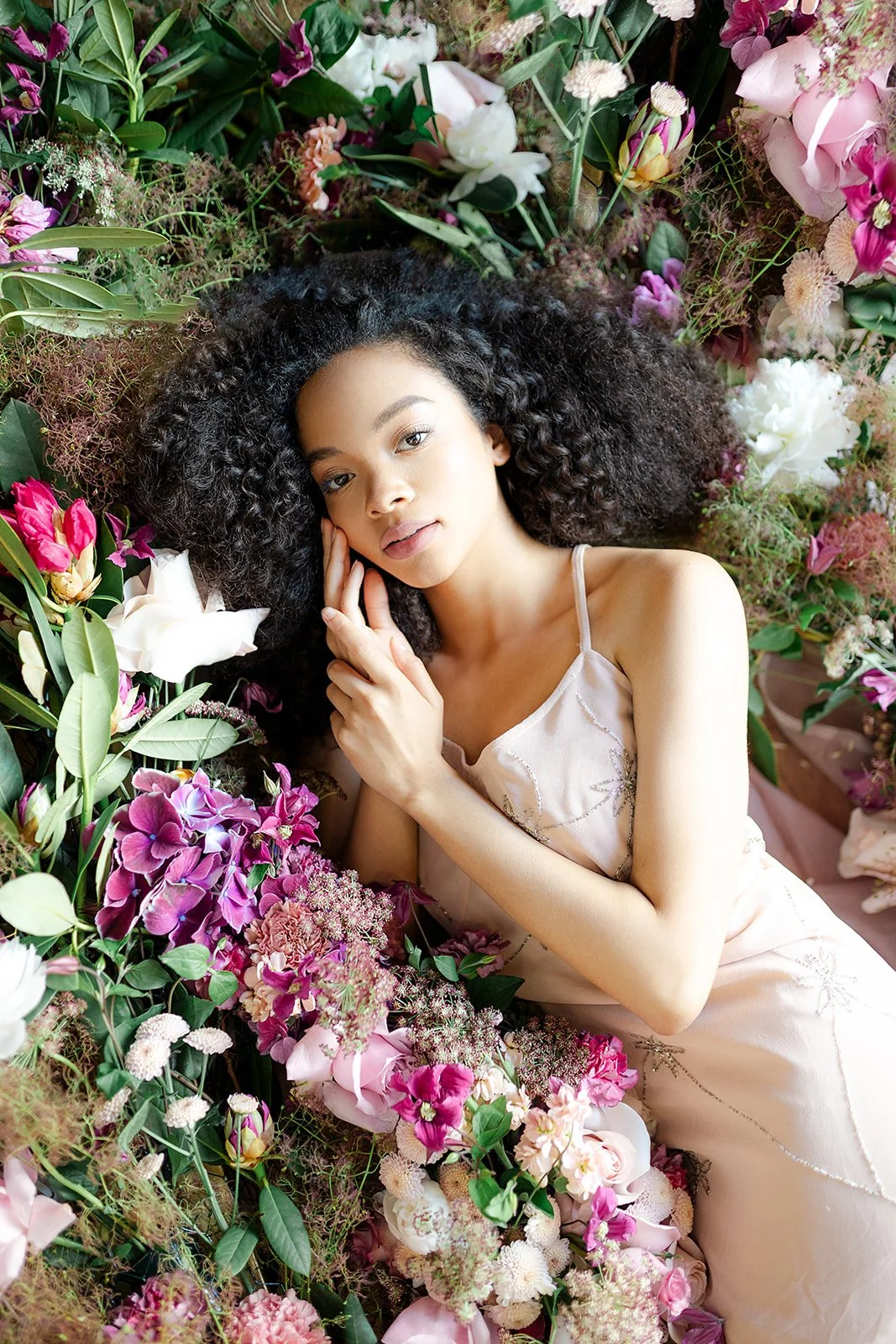
In several images, she lies within a bed of flowers, almost suspended between painting and reality. To me, these florals symbolize not fragility, but remembrance, softness, sensuality, and resilience. Flowers become a language through which history can be retold more tenderly.
What I find so moving about Dido Belle’s story is how modern it still feels. The tension between visibility and exclusion, admiration and prejudice, remains deeply relevant today. Yet despite this, her image radiates dignity and self-possession.
This shoot is therefore not simply inspired by history — it is about restoring nuance, humanity, and artistic presence to a woman whose existence quietly reshaped cultural history.
Love Julia
Thank you to all these talented women
Team Florist Stylist Course Berlin Flower School
Photograhper
Stefanie Lange - @stefanielangeweddings
Model
Naomi Onvuemeli - @naomi_onvuemeli
Flower & Design Concept / Art Direction
Julia Gauld-Ritterspach - @berlinflowerschool
Fashion & Floral Stylist
Kelly Ekardt - @kellyekardt
Floral Stylist
Julia Gauld-Ritterspach - @juliagauldflowers
Yukin Wu
Omar Olivias - @
Make up
Alisa Fun- @alisa_fun_official