Floral Beginnings: The 3 Essential Techniques Every Beginner Florist Should Learn
What are the essential floristry techniques for beginners?
This is one of the most common questions we hear at Berlin Flower School — and the answer begins with mastering a few fundamental techniques that form the foundation of almost every floral design.
Last Saturday, we welcomed six women to our latest Beginner Floristry Course at Berlin Flower School. They came from Germany, Brazil, Portugal, England, Bulgaria and Spain, but they all arrived with the same curiosity: How do I actually begin working with flowers?
Over the course of the day, we focused on three essential techniques:
1. The Spiral Technique
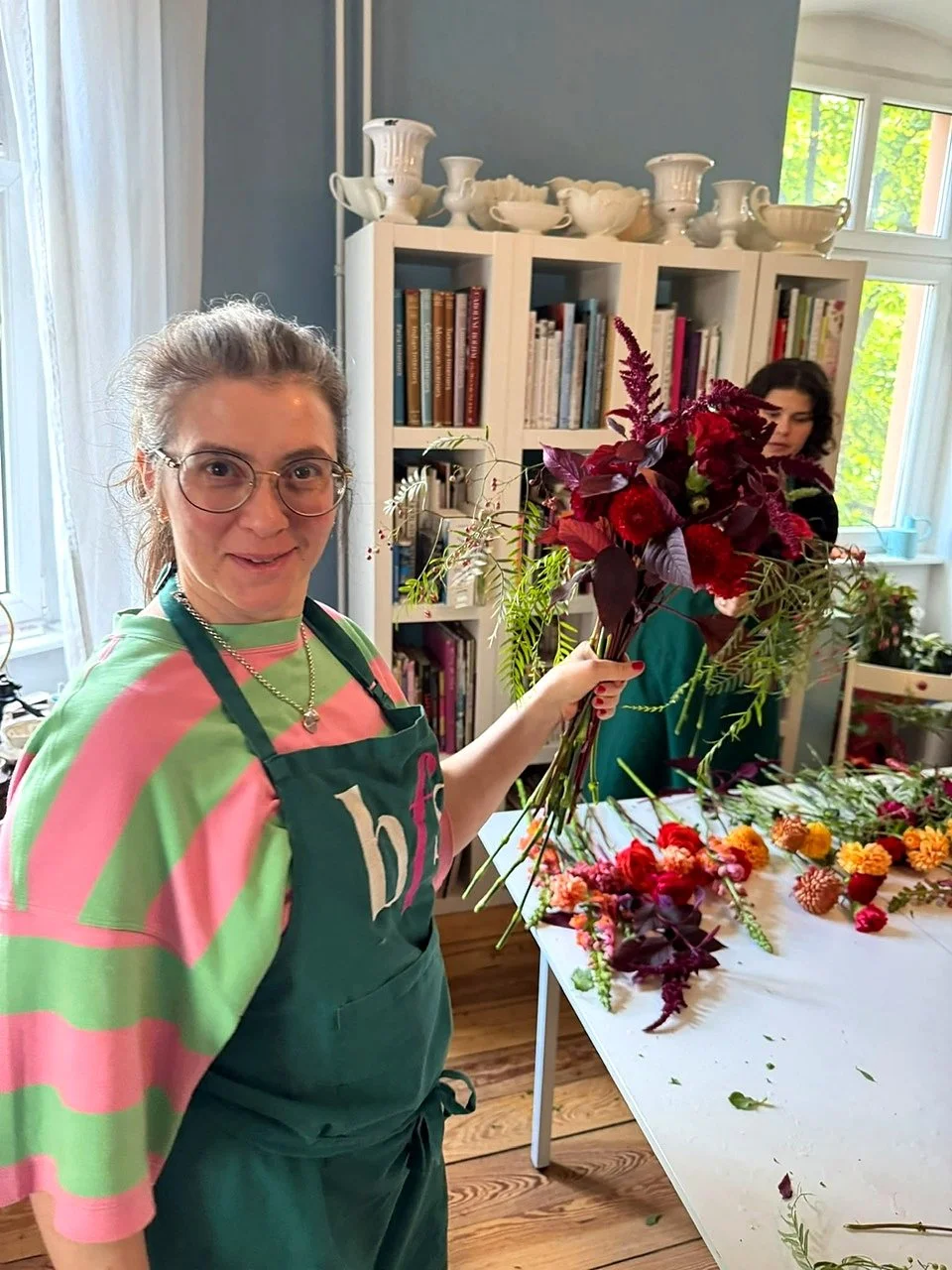
Learning how to make a hand-tied bouquet using the spiral technique is one of the most important skills for anyone beginning their floristry journey.
Flowers are placed diagonally into the hand, creating a spiral stem structure. Once the technique is understood, it becomes much easier to create a bouquet that is balanced, natural and beautifully shaped.
It is a technique that can be used for everything from a simple seasonal bouquet to sophisticated wedding floristry.
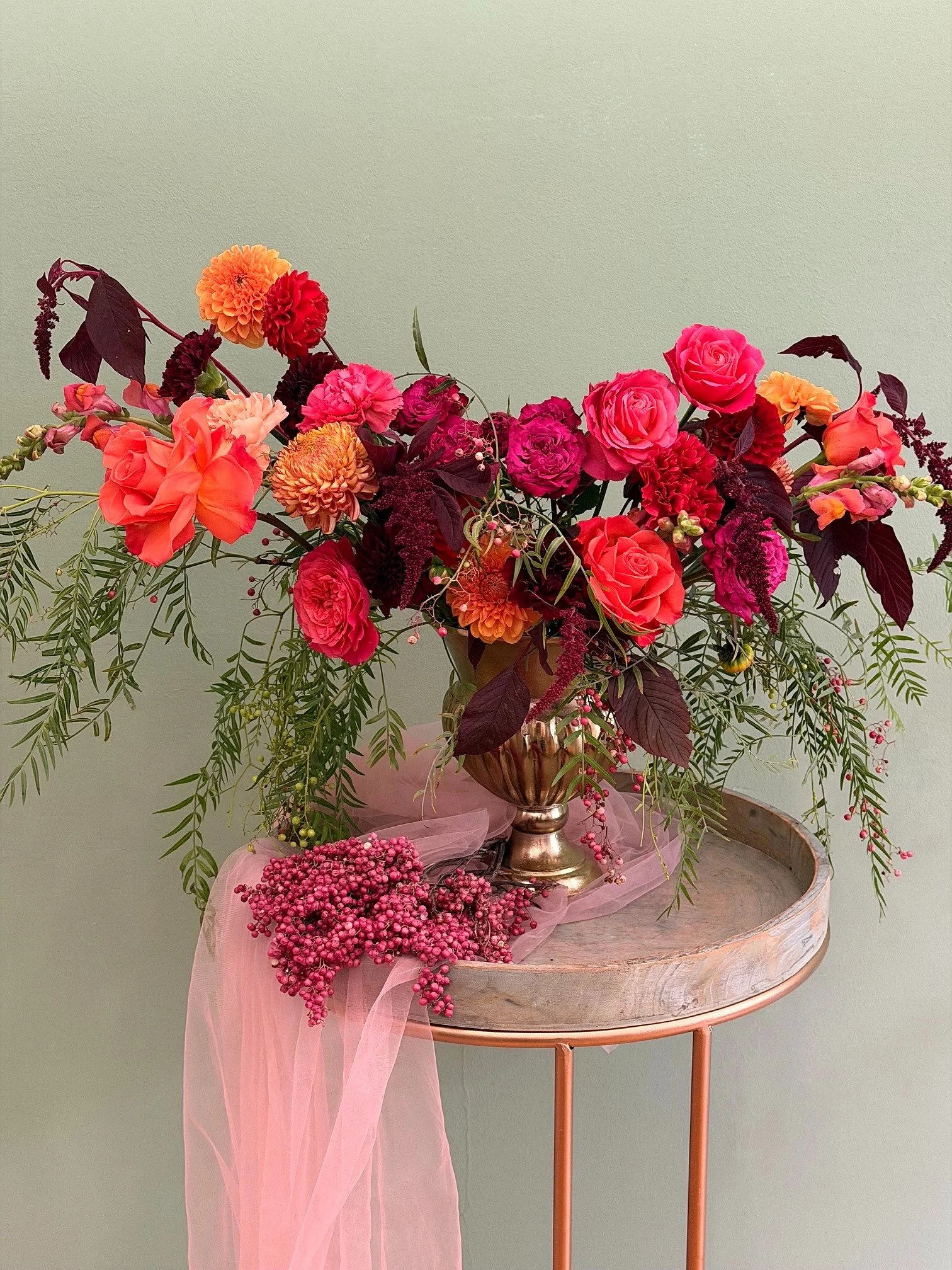
2. Creating a Vase Arrangement
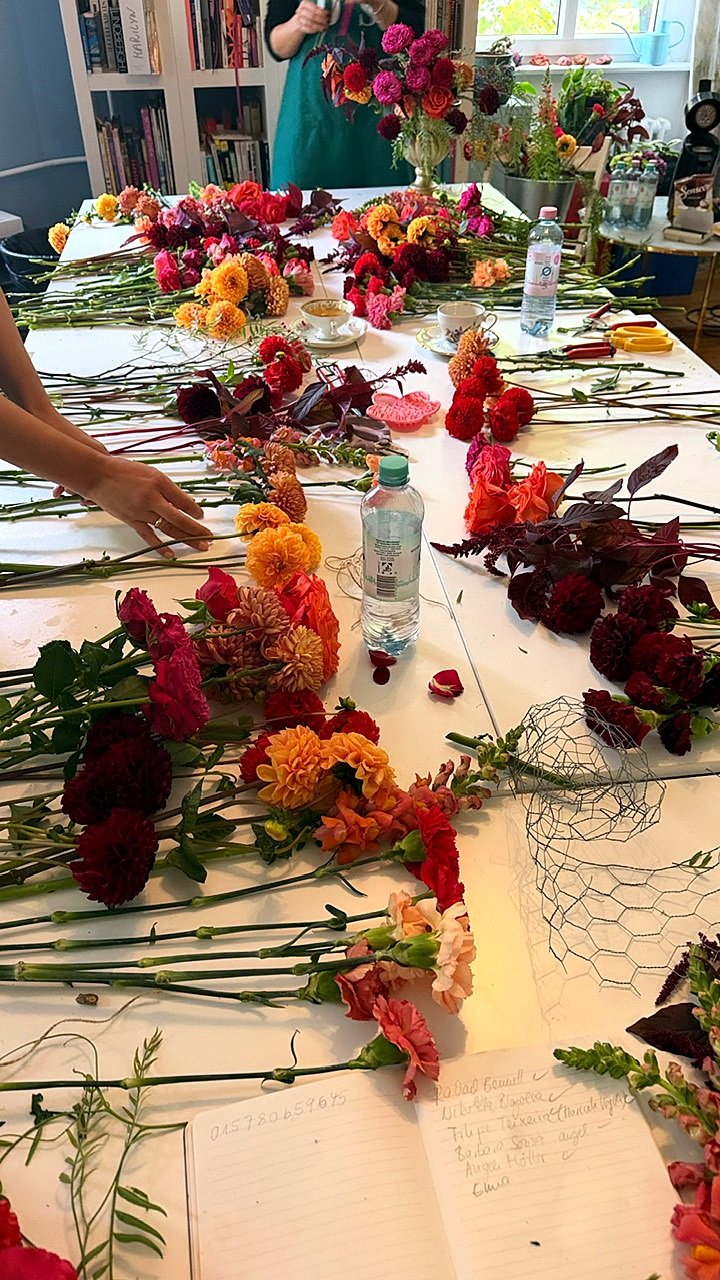
The second fundamental skill is understanding how to arrange flowers directly into a vase.
Rather than simply placing flowers into water, we look at proportion, height, movement, colour, texture and the relationship between the flowers and the vessel.
For beginners, this is an important moment: you start to understand that successful floral design is not simply about having beautiful flowers. It is about how those flowers are composed.
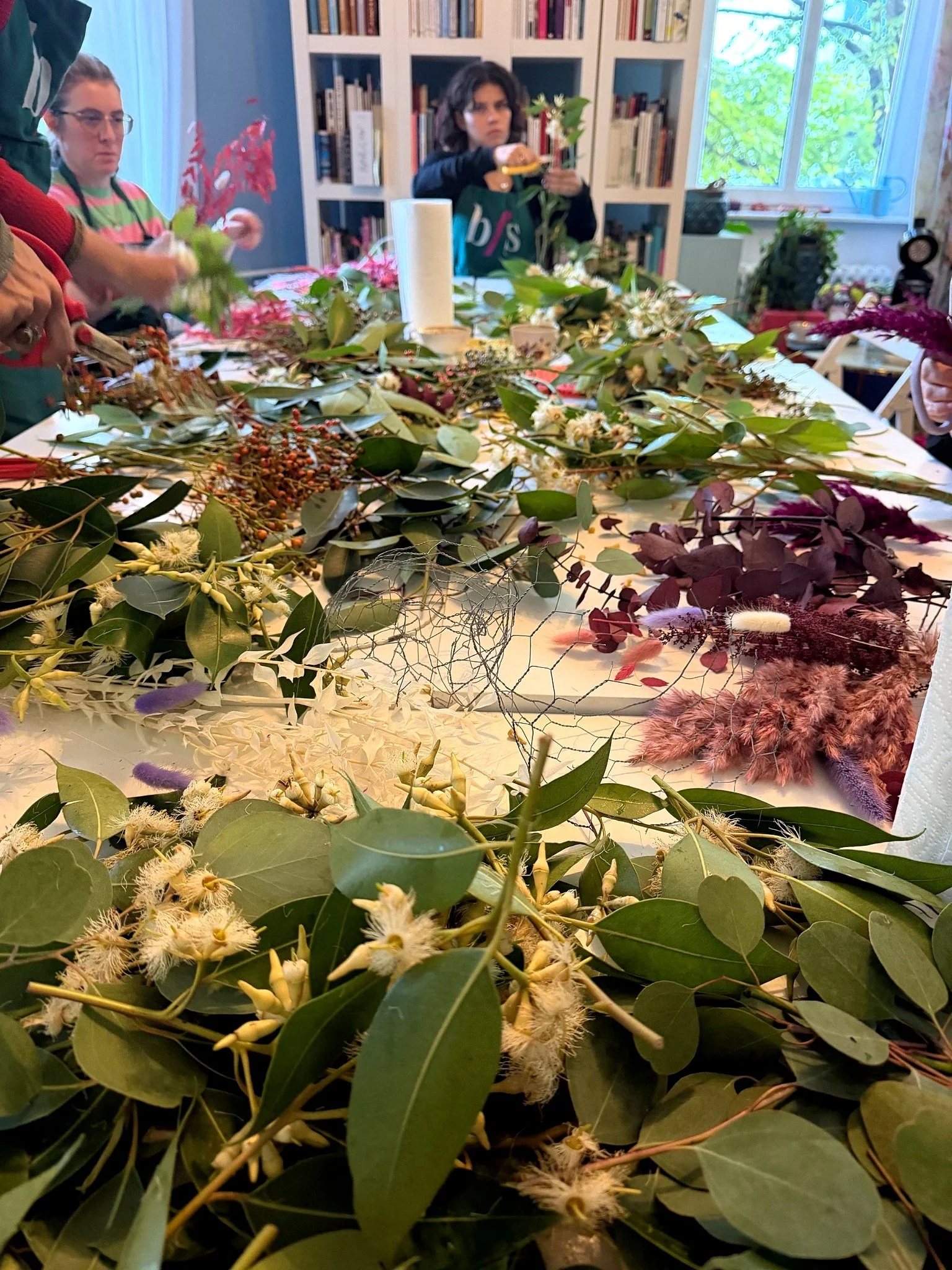
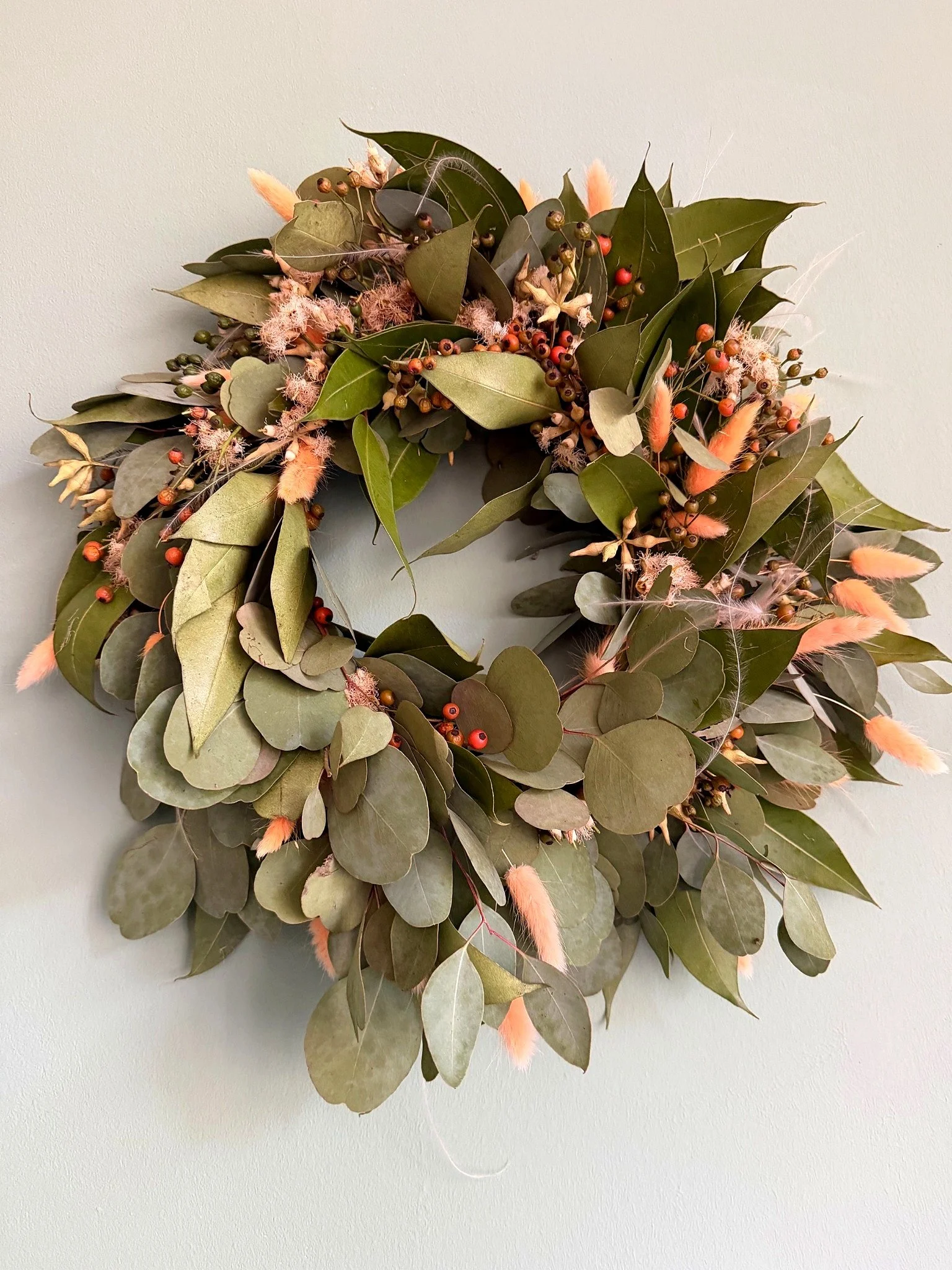
3. Binding a Wreath
Our third technique was wreath making.
Binding a wreath teaches you how to work with structure, repetition and rhythm while creating a circular composition. It also introduces you to working with different types of foliage, branches and seasonal materials.
And once you understand the basic binding technique, you can use it to create everything from a simple seasonal wreath to more elaborate decorative designs.
Where should a beginner start with floristry?
You don't need to know everything before you begin.
In fact, one of the most rewarding parts of learning floristry is discovering that a relatively small number of fundamental techniques can open up an enormous creative world.
The spiral bouquet, vase arrangement and wreath are three excellent starting points for anyone who wants to learn floristry, develop their creativity or explore whether becoming a professional florist could be the right career for them.
What I particularly loved about this group was the international mix. Six women from six different countries, each with their own experiences and aesthetic ideas, learned the same techniques—and created something completely individual.
That is what makes teaching floristry so exciting.
There is no single way to arrange flowers. But some techniques give you the confidence to find your own way.
If you are wondering how to start learning floristry, which skills beginners should learn first, or whether you need previous experience to become a florist, our Beginner Floristry Course introduces these essential foundations.
Berlin Flower School — learning the techniques behind beautiful flowers.
Love,
Julia
#BerlinFlowerSchool #BeginnerFloristry #LearnFloristry #FloristryCourse #FloristryForBeginners #BecomeAFlorist #FloralDesign #FlowerSchool #SpiralTechnique #WreathMaking #VaseArrangement #FloristryEducation