There are flowers that quietly remain timeless, and then there are flowers that completely reinvent themselves. For me, the gerbera belongs firmly in the second category.
At the beginning of my floristry career, I have to admit that I wasn't a fan. To me, gerberas were synonymous with inexpensive petrol station bouquets, often combined with leather fern and gypsophila. They represented a style of floristry that felt dated and lacked the contemporary aesthetic I was striving for.
But design is about keeping an open mind.
Over the past five years, my perception of the gerbera has changed completely. Today, I genuinely love working with them and often choose them as a focal flower in modern bouquets, editorial installations, and creative floral styling.
What changed?
The flower didn't. Our way of designing with it did.
Contemporary floristry has embraced clean lines, sculptural forms, negative space, and bold colour compositions. Within this new design language, the gerbera has found a completely new identity. Its strong architectural shape, perfect circular form, and graphic appearance make it an exceptional flower for modern floral design.
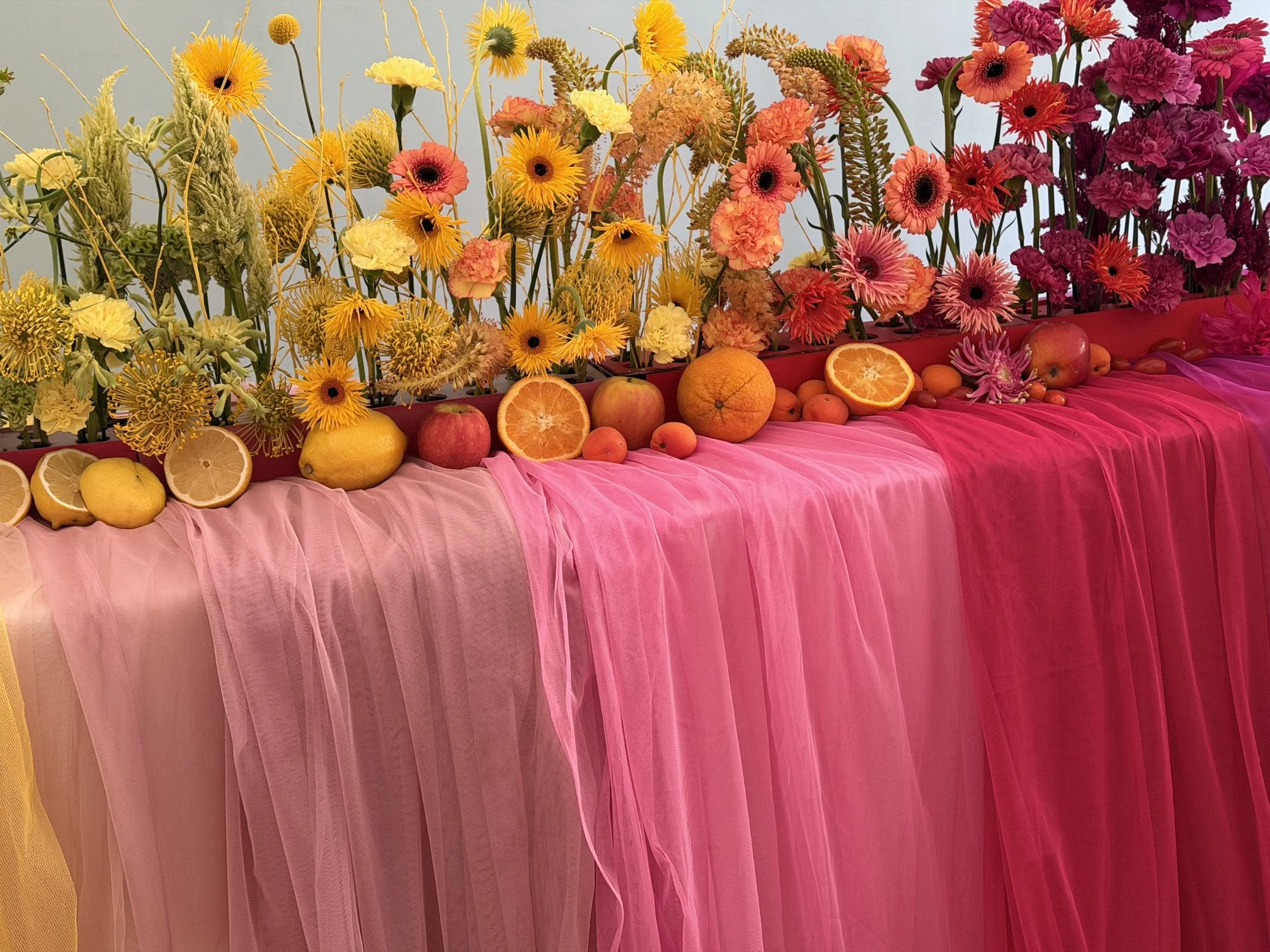
Today we are also fortunate to have access to an incredible diversity of varieties. Beyond the classic large-flowered gerbera, there are elegant Germini, with their smaller, more delicate blooms, and dramatic Spider Gerberas, whose elongated petals create movement, texture, and a wonderfully contemporary silhouette. Together these varieties offer florists an exciting design palette that extends far beyond the traditional image of the flower.
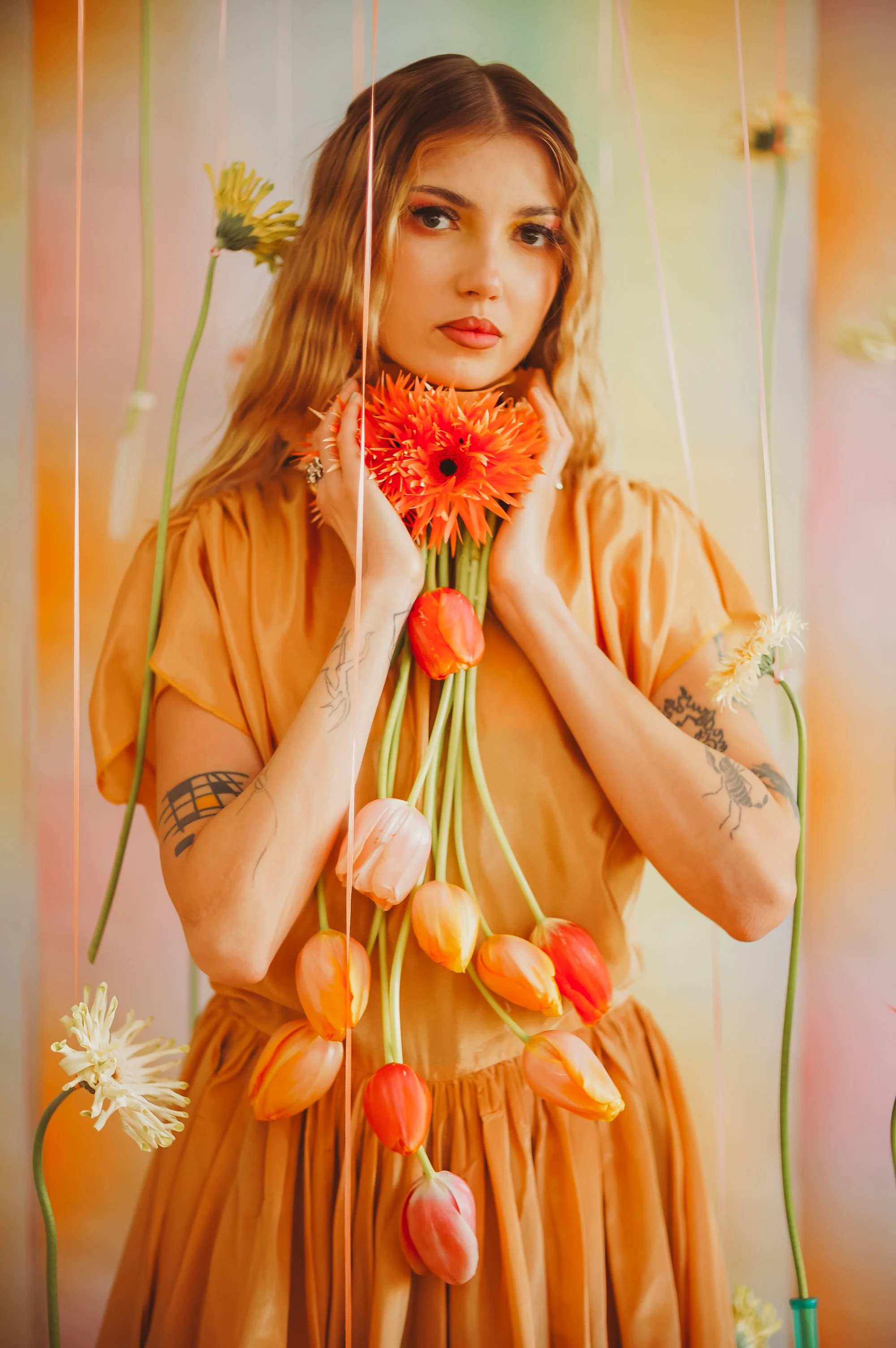
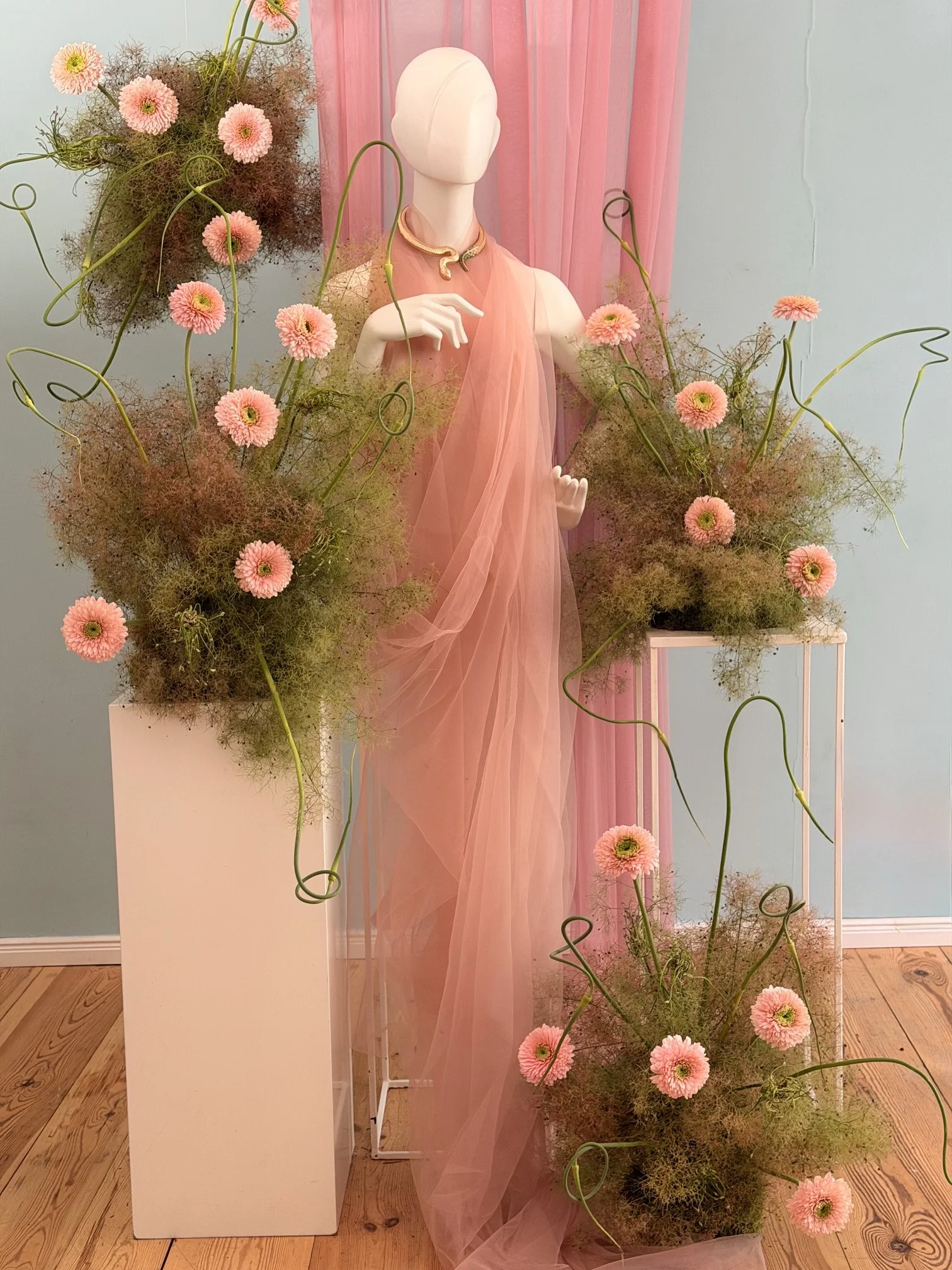
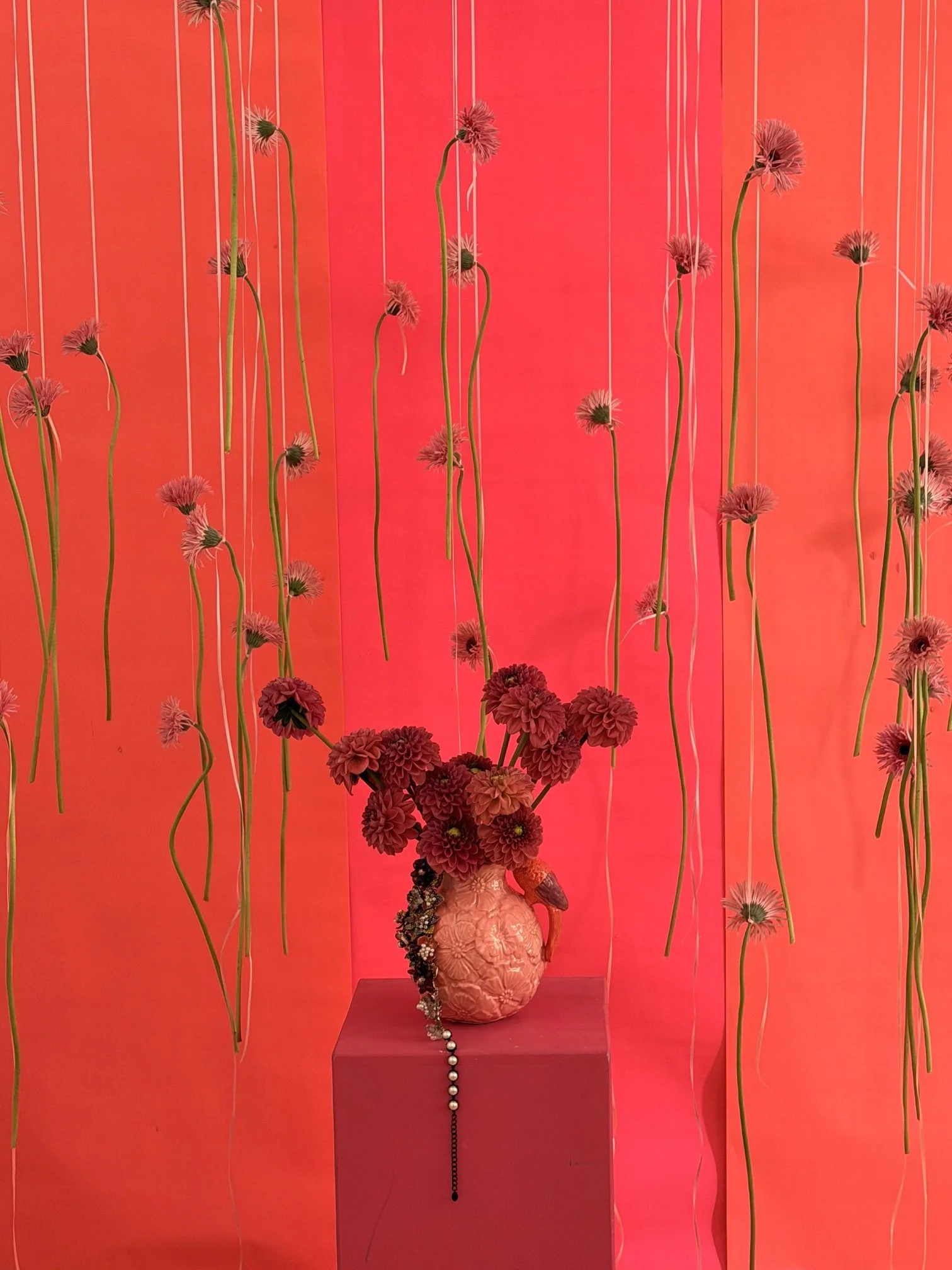
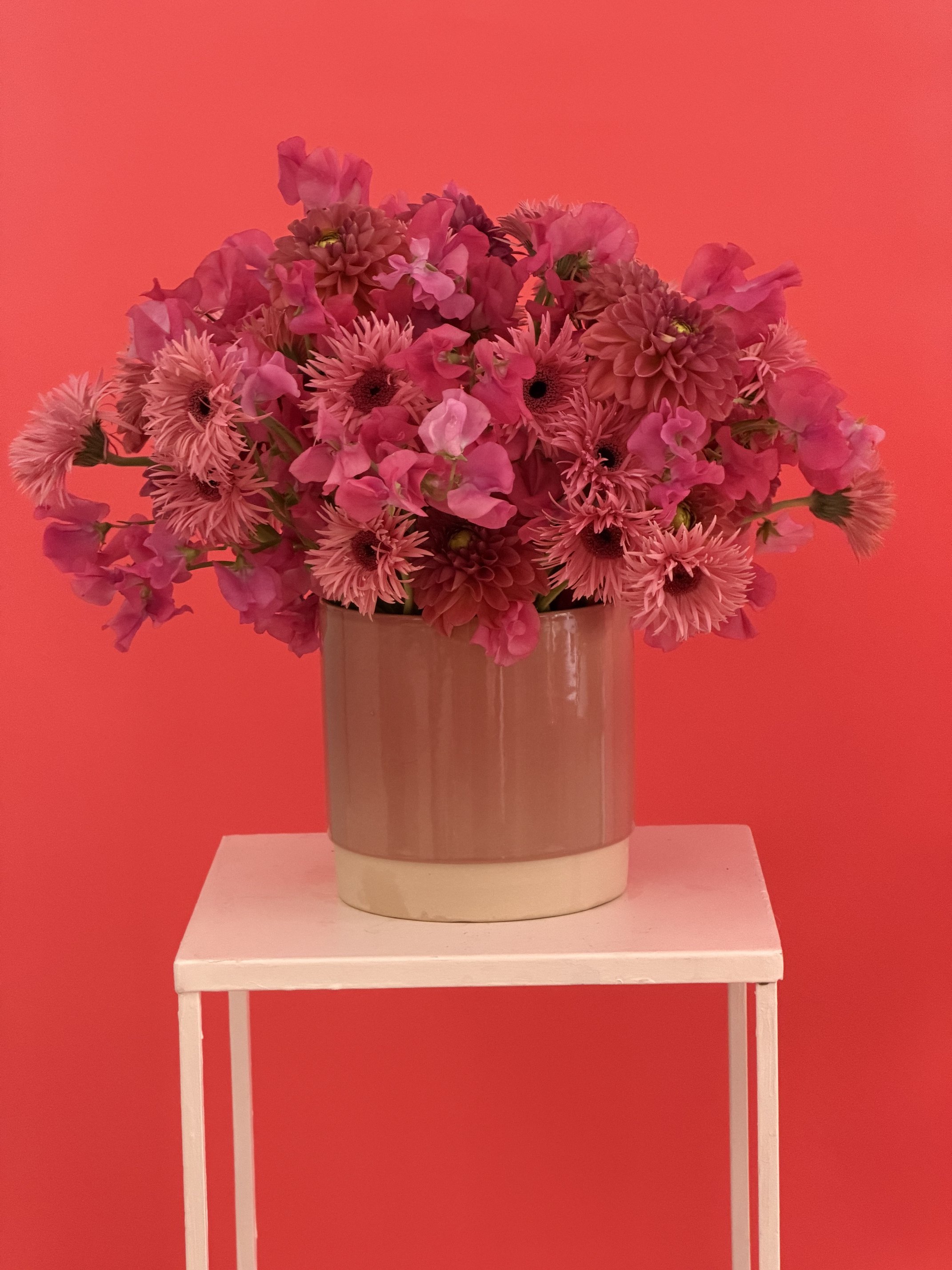
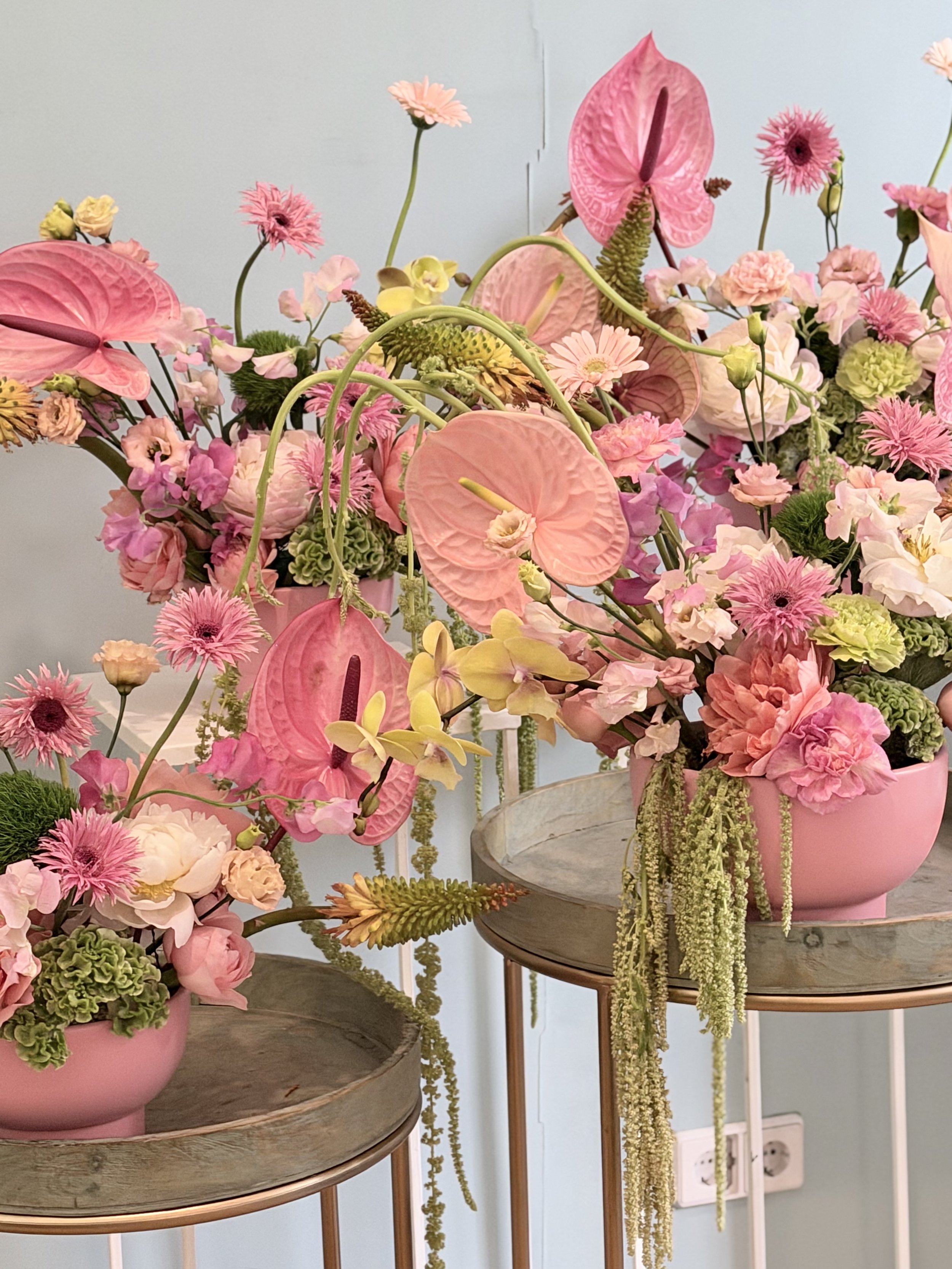
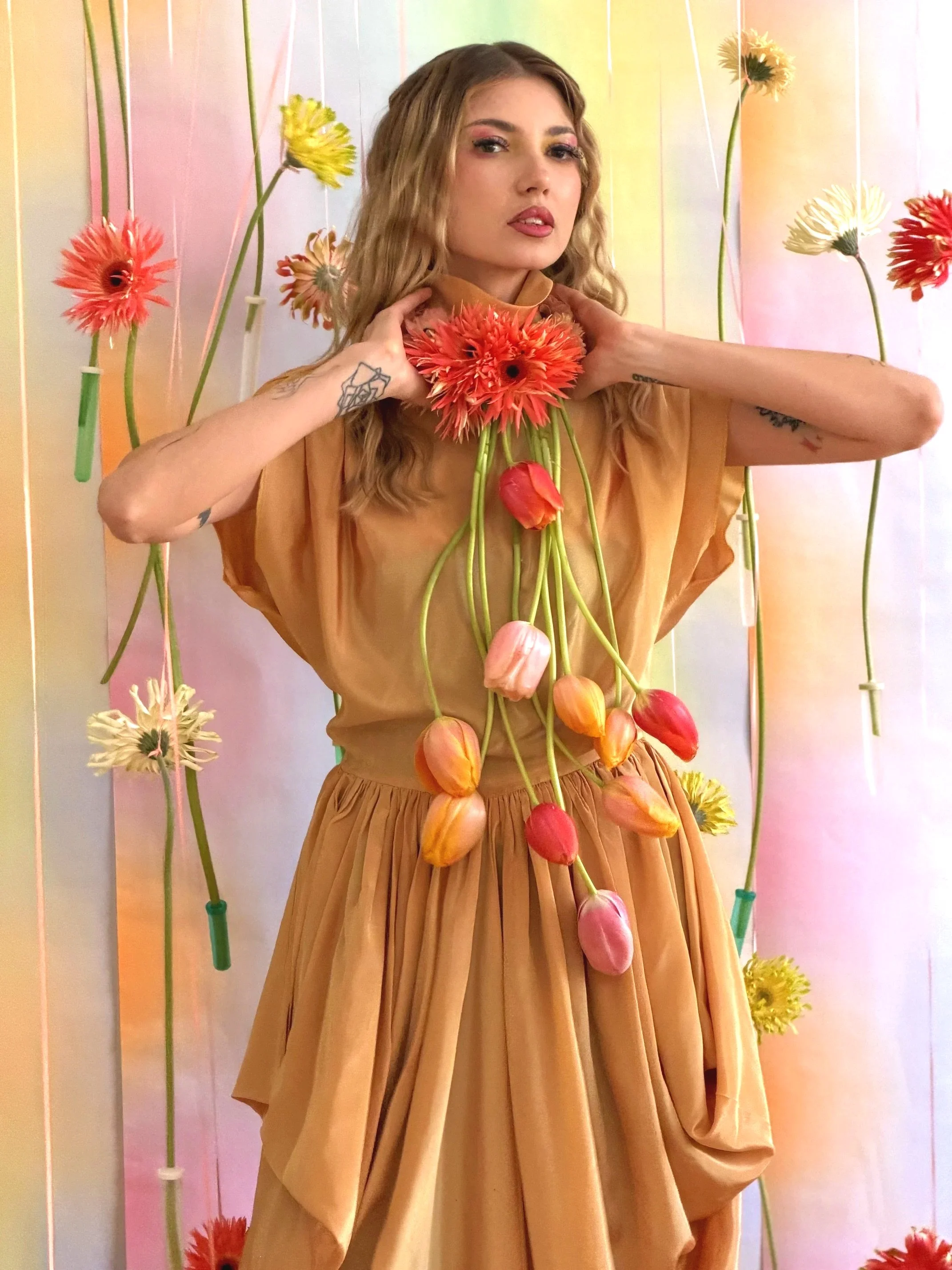
I particularly enjoy using gerberas in editorial work and large-scale installations, where their distinctive form creates visual rhythm and striking highlights. Whether arranged individually in sculptural vessels or woven into immersive floral installations, they bring a freshness and confidence that perfectly complements contemporary floral styling.
Sometimes, as designers, we have to question our own preconceptions. Flowers evolve through breeding, but perhaps even more importantly, our own design language evolves with experience. Looking back, I realise I wasn't rejecting the gerbera—I was rejecting the way it was commonly used.
Today, I see it as one of the most versatile and expressive flowers available.
A special thank you goes to the exceptional growers and breeders who continue to develop such inspiring collections and consistently produce flowers of outstanding quality. I would particularly like to acknowledge Holstein Flowers, Decorum, and Gerbera United, whose remarkable varieties continue to inspire florists around the world.
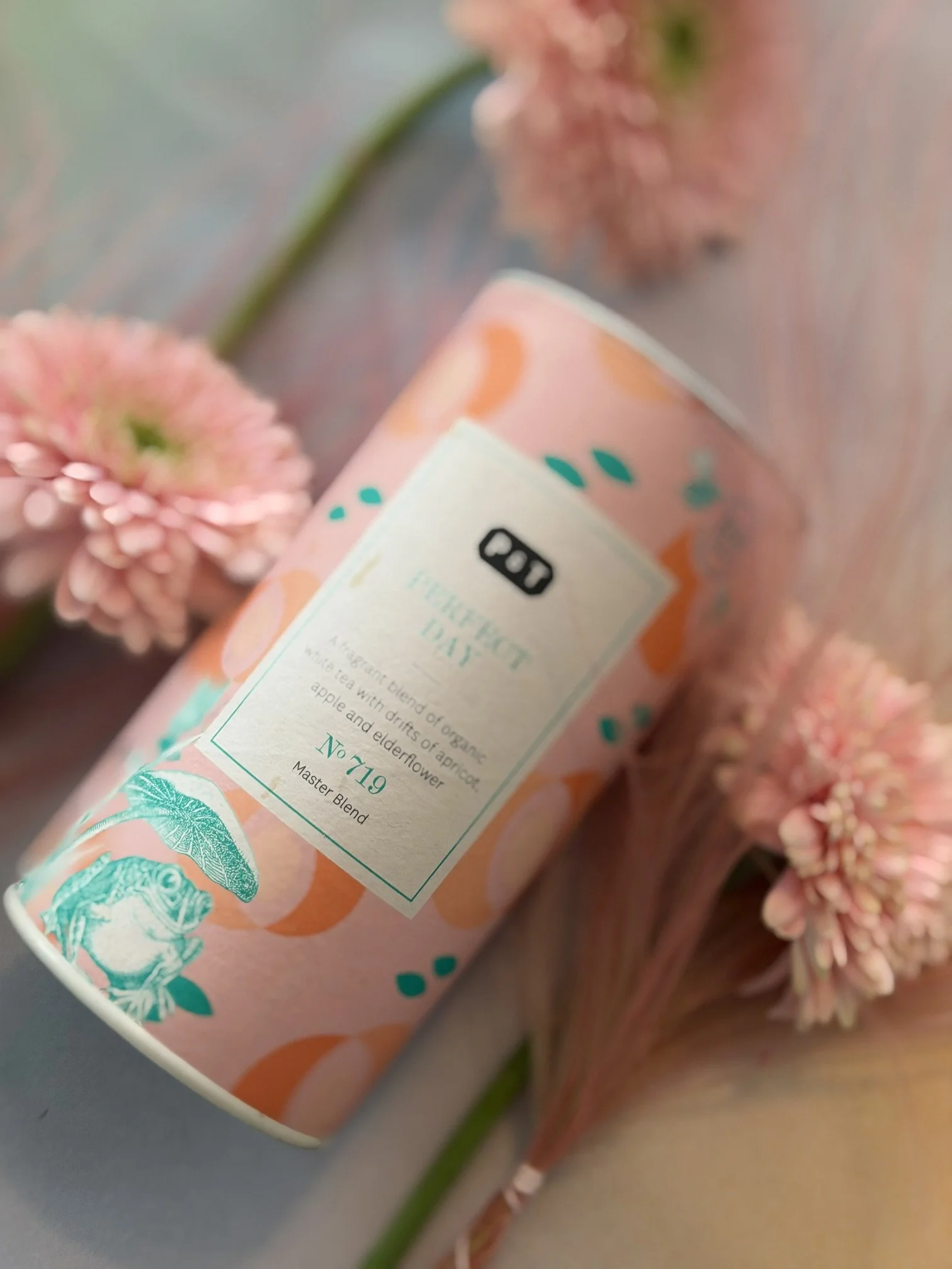
Below you will find a selection of installations and editorial projects created at Berlin Flower School that demonstrate why the gerbera has become one of my favourite flowers for contemporary floral design.
It's time to give the gerbera a second chance. Love Julia