Few flowers have experienced such a remarkable transformation as the Dianthus, more commonly known as the carnation. Once celebrated, then dismissed, it has become one of the most exciting flowers in contemporary floristry.
For many people, carnations still carry strong cultural associations. Across parts of Europe, they became closely linked with socialist movements and state celebrations, particularly the red carnation, which was widely used as a political symbol. Over time, this historical connection, together with its frequent use in inexpensive bouquets, caused the flower to be viewed as old-fashioned and outdated.
But great design has a way of changing our perspective.
Over the past decade, a new generation of floral designers has rediscovered the carnation and embraced it with fresh enthusiasm. At Berlin Flower School, it has become one of our favourite flowers to work with. Rather than seeing it as a flower of the past, we see its incredible potential for contemporary floral design.
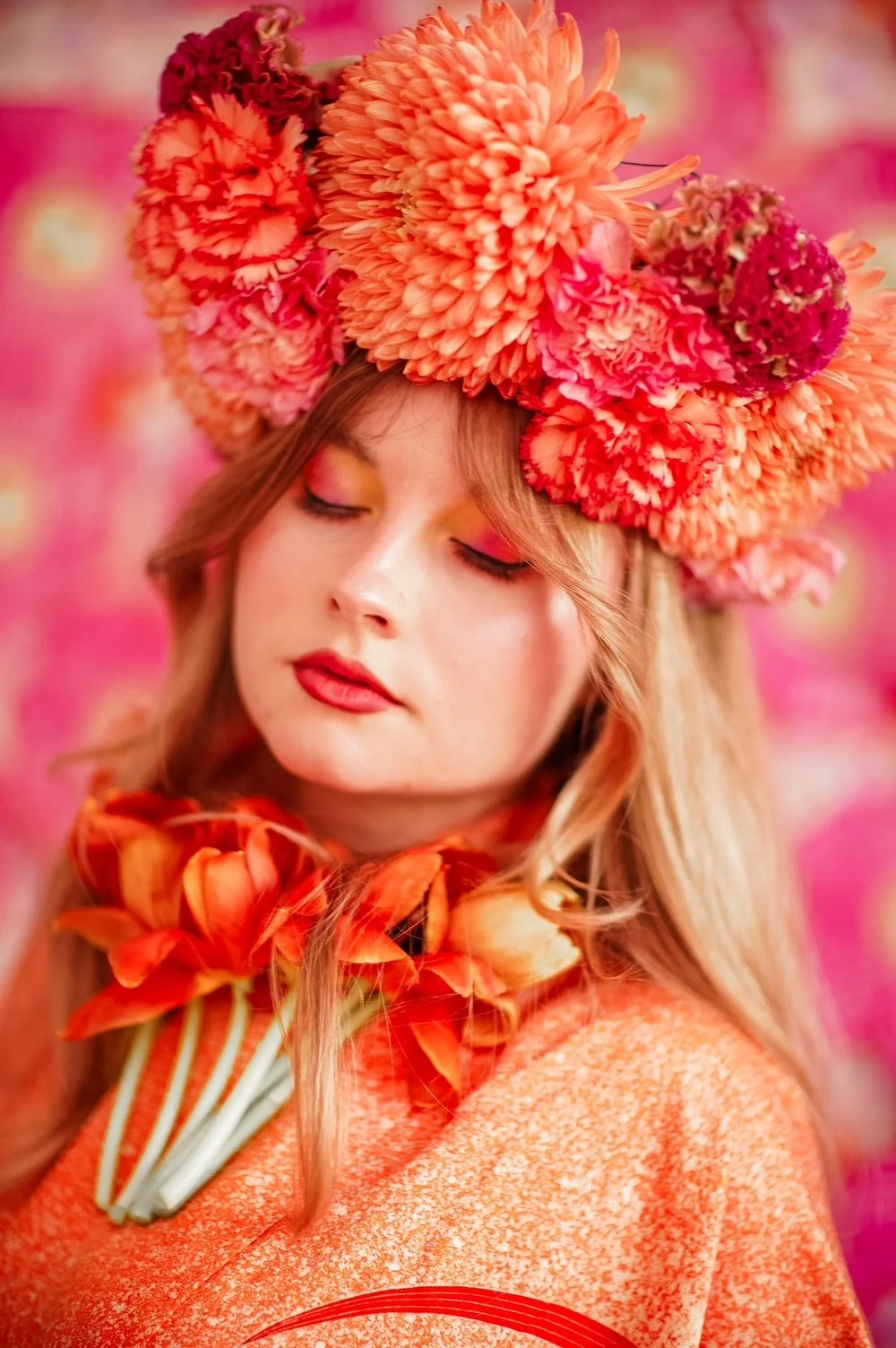
Today's Dianthus varieties are a world away from the carnations many people remember. Breeders have introduced extraordinary colours, ruffled textures, delicate gradients, and sculptural forms that feel sophisticated and modern. Their exceptional vase life, wide colour palette, and sustainable growing qualities make them an increasingly valuable flower for today's florists.
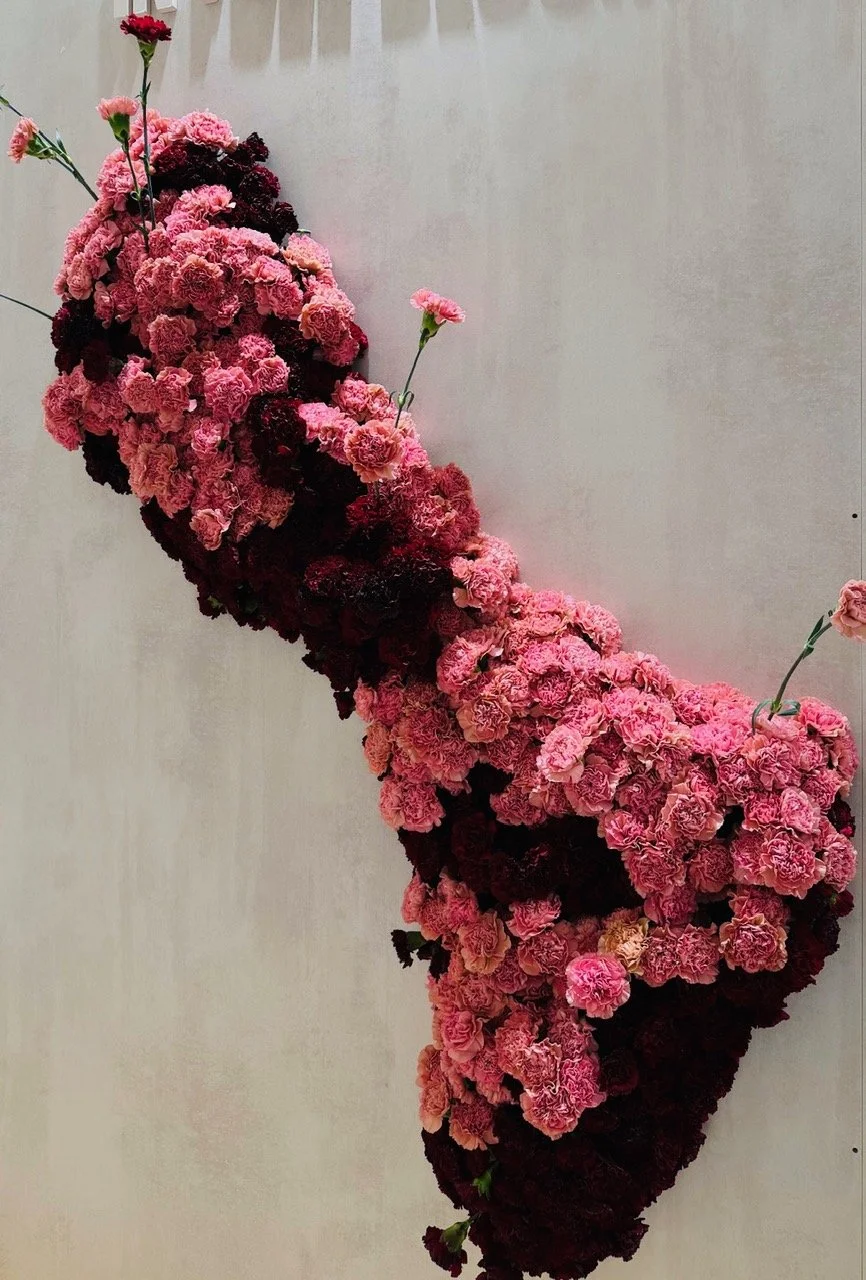
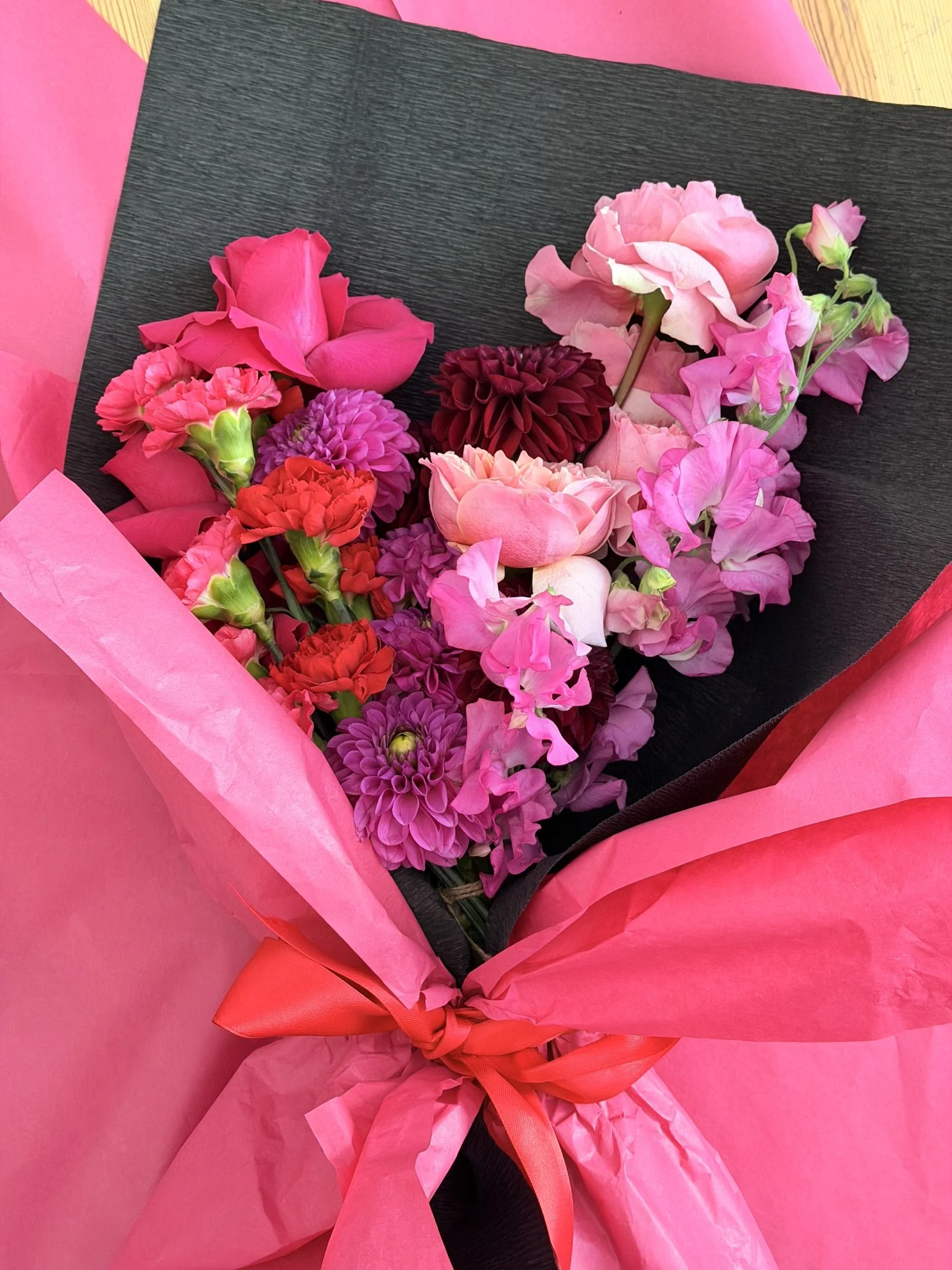
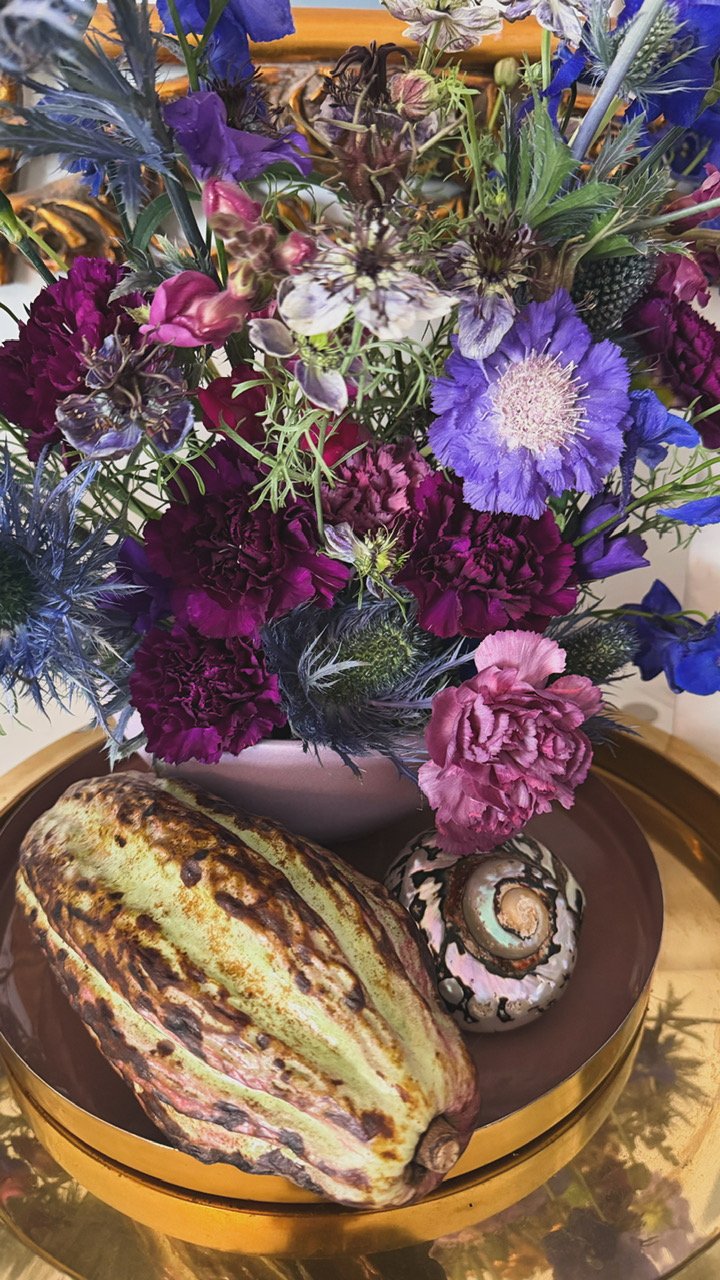
One of the reasons I love carnations is their versatility. Used in large groups, they create striking architectural sculptures with beautiful texture and rhythm. Equally, they are an outstanding secondary flower in more classical bouquets, effortlessly bridging focal flowers and lighter seasonal materials while adding depth, softness, and movement to a composition.
The carnation also reflects a wider shift within contemporary floristry. Today's designers are looking beyond fashion and rediscovering flowers that may once have been overlooked. By combining innovative breeding with a fresh design language, flowers that were once considered unfashionable are becoming exciting again.
The carnation is perhaps the best example of this transformation. After years in the cupboard, it has become everybody's darling once again—not because it has changed its identity, but because we have changed the way we design with it.
Below you will find a selection of floral designs that celebrate the beauty, versatility, and contemporary elegance of the modern Dianthus. Perhaps it's time to look at this remarkable flower with fresh eyes. Love Julia