The Art of Garden Design: Lessons from Britain
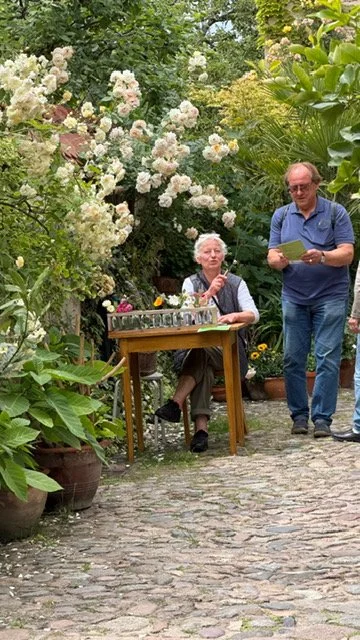
This weekend, I had the pleasure of visiting the Open Garden Days in Berlin-Rixdorf, where private gardens open their gates to the public for a single weekend each year. It is always a wonderful opportunity to discover hidden green sanctuaries tucked away behind the city's historic facades.
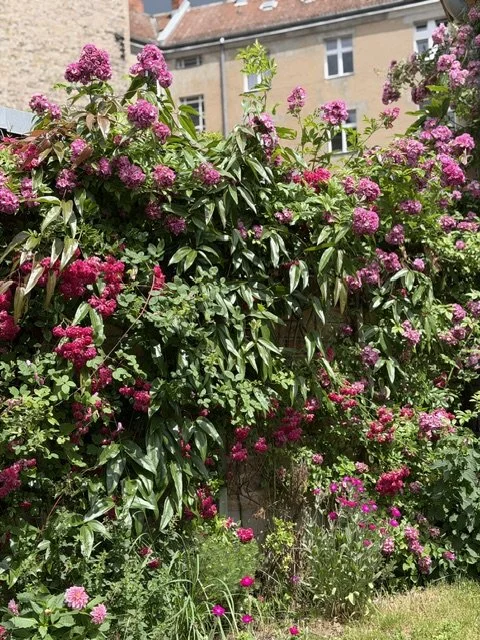
What struck me most was that while many of the gardens were beautiful and lovingly maintained, only a few felt truly designed. There is a difference between a collection of attractive plants and a garden that tells a visual story. The latter considers colour, texture, seasonality, structure, and the emotional atmosphere it creates throughout the year.
Perhaps this observation comes from my British stay as a student. Having travelled extensively throughout the United Kingdom on garden tours, and having grown up with a mother who was a passionate gardener, I developed an appreciation for gardens as works of design rather than simply collections of plants.
Britain has a long and influential gardening tradition. From the great landscape designers of the 18th century to the celebrated herbaceous borders of the Victorian era, gardens have long been regarded as an art form. Organisations such as the Royal Horticultural Society and events such as the Chelsea Flower Show have played a significant role in shaping this culture, encouraging generations of gardeners to think carefully about composition, colour harmony, succession planting, and the overall experience of the visitor.
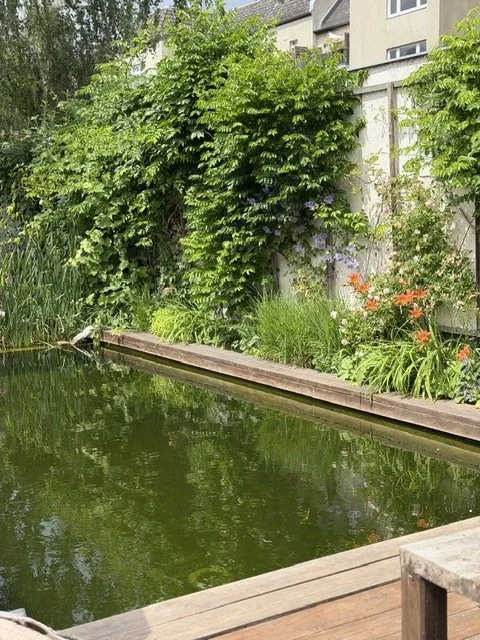
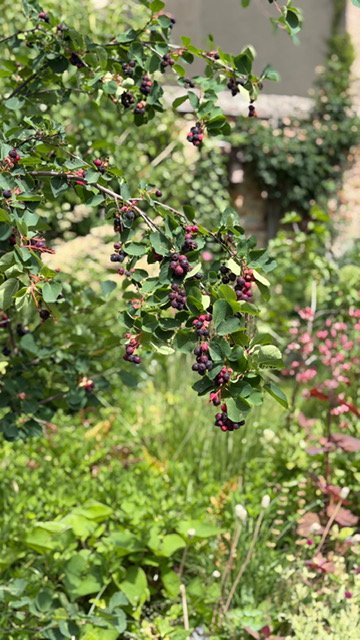
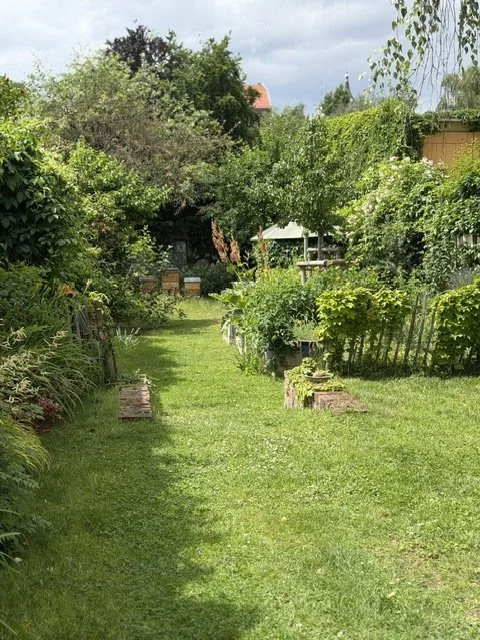
One garden in particular stood out to me during the tour: Richardstraße 34. There was an immediate sense of intention behind every planting decision. The balance of colour, structure, and movement suggested the hand of a professional garden designer or landscape architect. It was a garden that felt both natural and composed, creating the kind of atmosphere that lingers in the memory long after a visit.
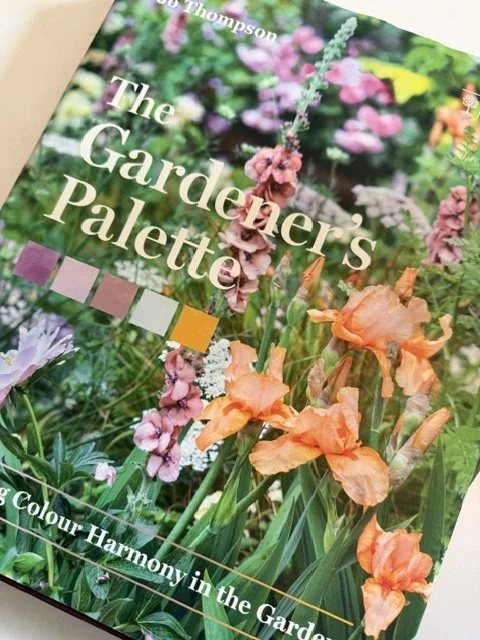
The experience also reminded me of a beautiful book I often recommend: The Gardener's Palette by Jo Thompson. Published in collaboration with the Royal Horticultural Society, it explores how colour can be used to create mood, rhythm, and beauty in the garden. It is a wonderful resource for anyone wishing to move beyond simply choosing plants and towards designing truly immersive garden spaces.
Gardens, like floral design, are at their most captivating when they are guided by a clear vision. The most memorable ones do not merely display flowers—they create an experience.
Love,
Julia